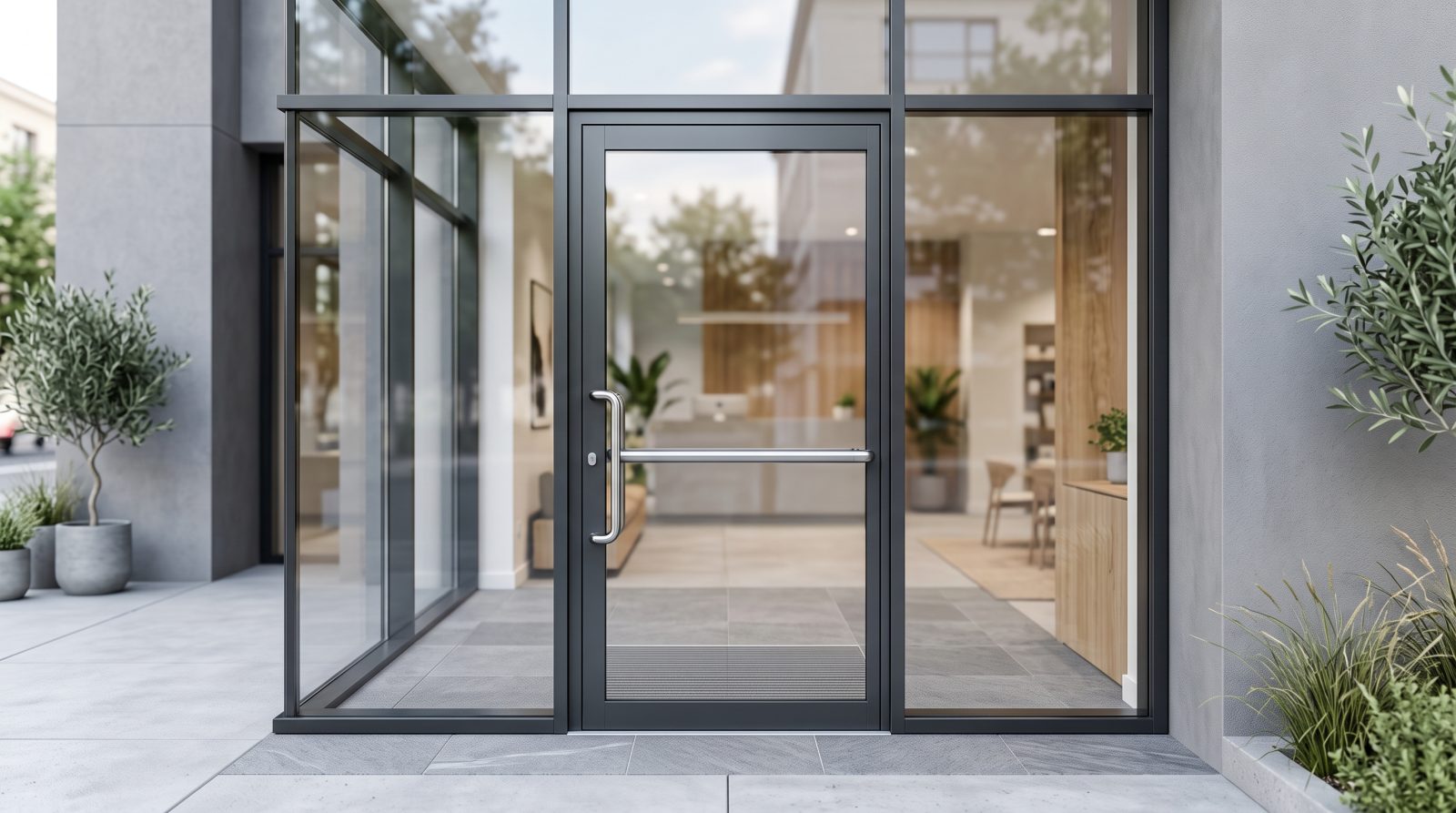
What is a business lockout service?
A business lockout service is commercial locksmith help focused on one goal: getting an authorized person back inside a workplace after they've been locked out. It covers the common situations owners, managers, and employees run into, including keys locked inside, a lost or broken key, a door that latched behind someone closing up, a jammed deadbolt or door hardware, or a key that snapped off in the cylinder.
The defining feature of professional lockout work is that locksmiths aim for non-destructive entry whenever the lock and door allow it. That means opening the door using locksmith tools and techniques rather than forcing or breaking it. When non-destructive entry isn't possible, or when the existing hardware is already failing, the locksmith will explain the options before doing anything that affects your door or lock.
This is different from a rekey or lock-change visit, which a business would schedule on purpose to change who can open a working lock. A lockout call is reactive: the lock usually works fine, someone just doesn't have a way to operate it at that moment.
- Keys locked inside the office or storefront
- Lost, stolen, or broken business key
- Door that self-locked behind an employee
- Key broken off inside the lock cylinder
- Jammed or seized deadbolt or door hardware that won't turn
What happens during a business lockout call?
A typical business lockout call follows a predictable sequence, and knowing it ahead of time makes the visit go faster. The first step is almost always verification: a reputable locksmith will ask you to confirm that you're authorized to enter the business before opening any door. This protects the business owner and their property, so expect the question and have something ready.
After verification, the locksmith assesses the door and lock to choose the safest approach. Many standard commercial locks can be opened without damage. If the lock is high-security, badly worn, or already broken, the locksmith will walk you through what's realistic, what it involves, and what it may cost before proceeding.
Once you're back inside, the locksmith can address whatever caused the lockout. If a key snapped in the cylinder, they can often extract it. If the lock itself is failing, they can repair or replace it. If the business has lost its only key, this is a natural moment to talk about rekeying so the same situation is less likely to happen again.
- Confirm you're authorized to enter the business
- Inspect the door, lock type, and condition
- Choose non-destructive entry when the hardware allows
- Open the door and get you back inside
- Repair, replace, or rekey hardware if needed or requested
How do locksmiths confirm you're authorized for the business?
Because a lockout service is, by definition, opening a locked door, authorization is the part that protects everyone, including the business owner. A trustworthy locksmith will not open a business for someone who can't show a reasonable connection to that company. This is a feature, not a hassle, and it's worth preparing for so the visit isn't held up.
Common ways people confirm they're authorized include an employee ID or badge, a business card or paperwork connecting them to the company, or direct confirmation from an owner or manager, in person or by phone. If you manage the property but aren't the primary contact on file, be ready to explain your role.
If you're an employee rather than the owner, the owner or manager may need to authorize entry, especially outside of a scheduled shift. When in doubt, a quick call to whoever owns or manages the business before the locksmith arrives can save time.
- Employee ID or badge
- Business card or paperwork connecting you to the company
- Direct confirmation from an owner or manager, in person or by phone
- Keys, fobs, or other access items already in your possession
What to do while you wait to get back in
If your business is locked out, a few calm steps make the situation safer and the eventual fix faster. First, check the obvious before assuming the worst: try every door, and see whether a coworker, manager, or another keyholder has a key or is on the way. Don't attempt to force a window or door yourself; injuries and broken glass are far more expensive than a lockout, and a damaged frame can make the locksmith's job harder.
While you wait, gather what you'll need to confirm you're authorized so the locksmith can verify you quickly. If it's cold, dark, or you feel unsafe, wait somewhere secure, and keep your phone charged so the locksmith can reach you when they arrive.
If anyone is trapped inside who is at immediate risk, or if there's a medical emergency, a fire, or a break-in in progress, call 911 first. A locksmith handles lockouts; emergency services handle emergencies, and getting the right help first is always the priority.
- Try all doors and check if a coworker or manager has a key
- Don't force windows or doors yourself
- Get your ID and authorization ready
- Wait somewhere safe and keep your phone charged
- Call 911 first if anyone inside is in danger or there is an active break-in
Preventing the next business lockout
Most lockouts are repeatable situations, so a little planning pays off. After a locksmith gets you back in, it's a good time to set up a backup so the next locked door is a minor inconvenience instead of a service call. Spare keys are the simplest fix: have one or two cut and leave them with a trusted manager or keyholder rather than hidden on-site, where they can undermine your security.
If the business has lost its only key, ask the locksmith about rekeying. Rekeying changes the lock's internal pins so old keys no longer work and a new key does, which secures the business without replacing the whole lock; it's often faster and less expensive than full replacement, and it is also a common step after an employee with a key leaves the company. If a lock is worn out or you want different features, replacing the hardware may make more sense.
For businesses thinking about a broader security upgrade beyond a single lockout, such as master key systems or egress hardware for offices and storefronts, that planning falls under commercial locksmith service rather than a one-time lockout call. A locksmith can explain which approach fits your situation.
- Keep one or two spare keys with a trusted manager or keyholder
- Rekey rather than replace when the lock still works
- Rekey promptly after an employee with a key leaves the company
- Test locks and hardware periodically so a problem is caught before it causes a lockout