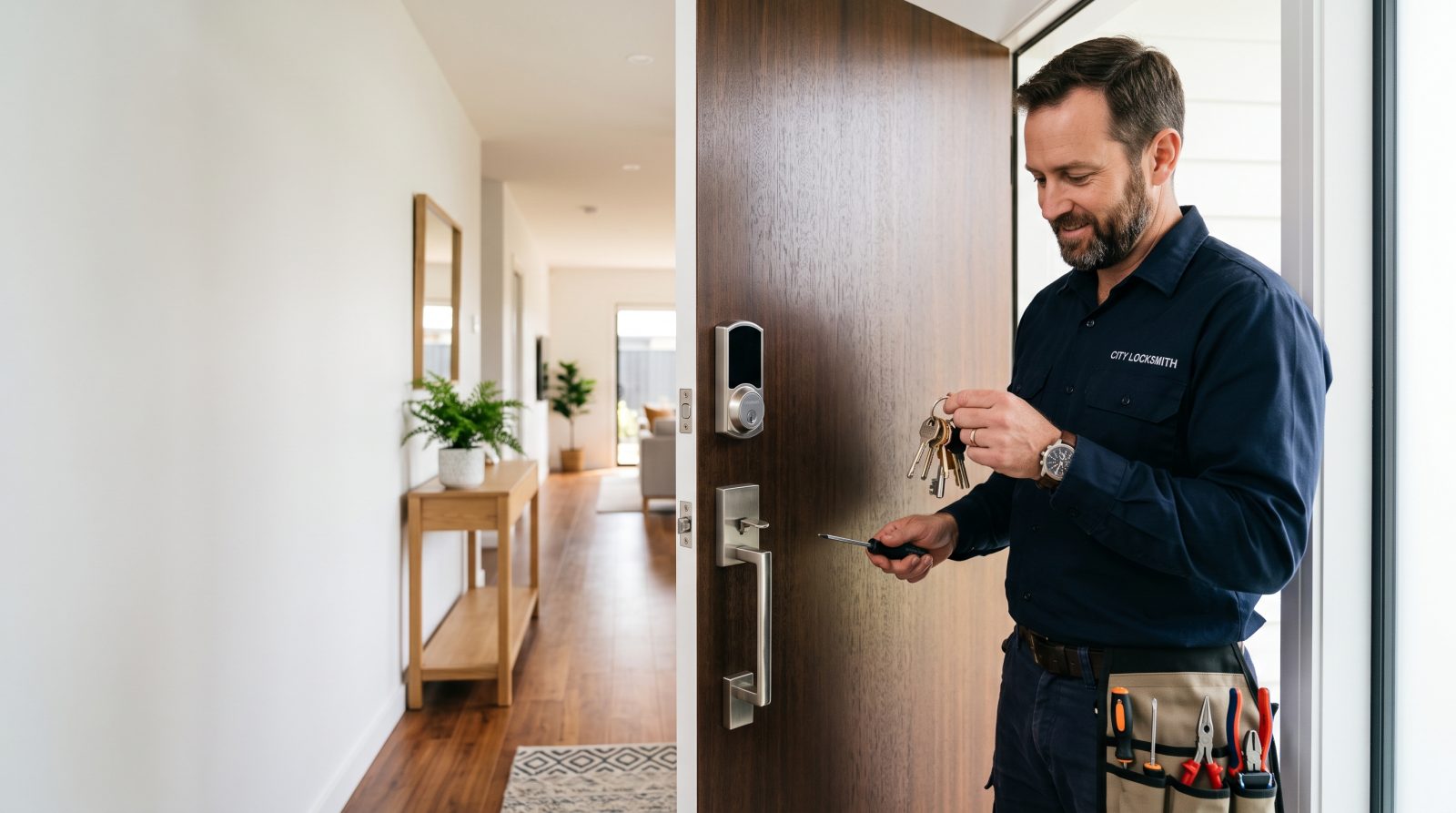
What does an ANSI/BHMA lock grade actually measure?
A lock grade is a strength and durability rating, not a single security score.
The grade comes from two groups that work together. ANSI oversees the U.S. standard framework, and BHMA writes the hardware test methods. When a product passes, it is ANSI/BHMA graded and gets a grade of 1, 2, or 3.
The grade is earned in a lab with repeatable steps. It checks how many cycles the lock can survive, how much force it can take, and how well the finish and moving parts resist wear and corrosion. Because the tests are the same across brands, a Grade 2 lever from one maker and a Grade 2 lever from another have cleared the same basic bar.
It also helps to know what the grade does not tell you. It is not a direct rating of pick resistance, bump resistance, or key control, and it does not prove that a smart lock's software is safe. Those checks are done separately. Think of the grade as the answer to how well made and how long lasting this hardware is. That is a different question from how hard this lock is to beat.
ANSI sets the framework, and BHMA writes the test methods. Grades run from 1 at the top to 3 at the basic home level. The grade is about durability and strength, not pick resistance, key control, or smart-lock security.
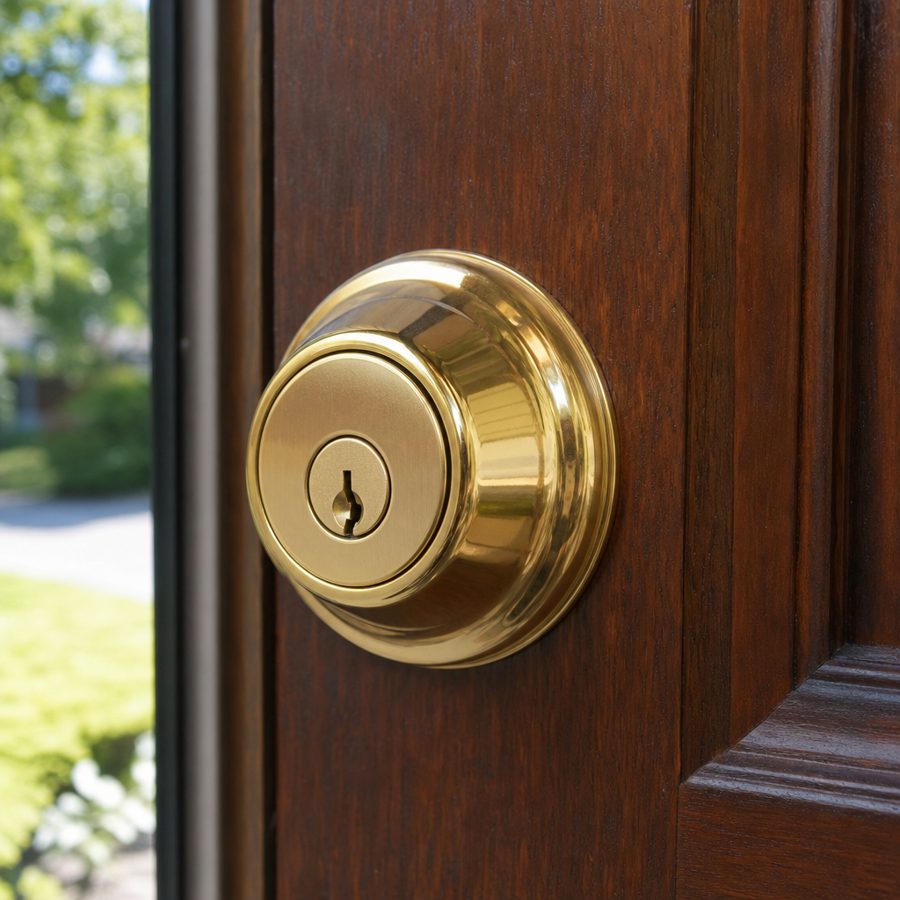
How are locks tested to earn a grade?
Grading uses three test groups.
Cycle testing is the first. A machine opens and closes the lock again and again to mimic years of daily use, and the lock has to keep working. Higher grades must survive more cycles. As a common benchmark for cylindrical knob and lever locks, Grade 1 hardware is tested to about 800,000 cycles, Grade 2 to about 400,000, and Grade 3 to about 200,000. Exact figures vary by product type and the standard that applies.
The second group is strength and load testing. It measures how the lock and latch hold up to force, torque on the knob or lever, and pressure on the bolt, along with other stresses. Higher grades are expected to take higher loads before they fail.
The third group covers finish and material durability. It checks wear, corrosion, and long-term operation so the lock keeps working and still looks good over time instead of seizing or rusting early.
Different lock types fall under different A156-series documents. For example, bored cylindrical locks and latches, mortise locks, and linked locksets each have their own standard with category-specific tests. A deadbolt is graded by deadbolt criteria, a lever by lever criteria, and so on, which is why you should compare like with like rather than assume one number covers every product in a catalog.
Grade 1 vs Grade 2 vs Grade 3: how do they compare?
Grade 1 is the most demanding tier. It is the commercial lock grade most often specified for commercial buildings, high-traffic entrances, apartment common doors, and any place where hardware is used all the time or expected to last for decades. Grade 1 locks usually cost more and can feel heavier and more solid, which is why facility managers often prefer them.
Grade 2 sits in the middle and is a common choice for quality residential entry doors and light-commercial settings. For many homeowners, an ansi bhma grade 2 lock can offer a meaningful step up in durability over the entry-level tier without the price or bulk of full commercial hardware.
Grade 3 meets the basic residential minimum. It is the base level you will often find on builder-grade or budget hardware, and on low-traffic interior or secondary doors it can be a reasonable fit.
Two cautions matter when you compare grades. First, the grade describes the lockset's build quality, not the whole opening. A well-graded lock on a hollow door with a weak strike plate and short screws is still vulnerable, because forced entry often targets the door, jamb, and strike rather than the lock body. Second, grade and lock features are separate. A high grade does not automatically mean strong pick resistance, and a smart lock's convenience features are rated apart from its durability grade.
Grade 1 is the most rugged tier for commercial and high-traffic doors. Grade 2 is the middle tier for better residential and light-commercial entries. Grade 3 is the basic home minimum and is common on builder-grade and budget hardware. The grade applies to the lockset, not the door, jamb, strike plate, or a specific attack type.
What is the BHMA Certified Secure Home rating, and how is it different?
Alongside the traditional 1/2/3 grade, BHMA also has a consumer-facing certification often seen on residential packaging. Instead of a single number, it rates a product on three separate qualities, each on an A-B-C scale: Security, Durability, and Finish. A product might be rated A for security, B for durability, and C for finish, which gives you a fuller picture than one grade alone.
This three-letter approach is useful because it separates the things shoppers may care about most. If you want resistance to physical attack tests, look at Security. If you want to know how many years of daily use the lock should handle, look at Durability. If curb appeal and finish life matter for your door, look at Finish. The grades and the certification come from the same standards body, so they work together rather than compete.
When you compare two locks on a shelf or a product page, check which system the packaging uses. Some products list a Grade 1, 2, or 3 designation. Some carry the A-B-C certified rating. Some show both. If a listing makes a strong claim but shows no clear grade or certification, ask the manufacturer or a locksmith what the hardware has actually been tested to.
How should you choose a lock grade for a Bay Area home or business?
Start with the door's job. A main entry door, a rental-unit door, or any opening used many times a day benefits from a higher-tier lock because it sees heavy cycling over its life. A low-traffic interior door, a closet, or a covered secondary door has gentler demands, so the best lock grade for home use depends on traffic, exposure, and how the door is used. Matching the grade to traffic and exposure is usually smarter than buying the highest tier for every opening.
Then look past the lock body to the whole opening. The strongest deadbolt helps more when it is paired with a solid-core or metal door, a reinforced strike plate, and long screws into the wall framing, not just the jamb. Bay Area homes range from older Victorians and Edwardians with original doors to newer condos and townhomes, so the right upgrade often combines a properly graded lock with reinforcement that fits that door and frame. Climate matters too: doors exposed to coastal moisture and salt air can benefit from finishes and materials chosen with corrosion in mind.
Finally, treat the grade as one input, not the whole decision. Consider the lock type, such as a deadbolt, lever, mortise, or smart lock, the keying or access plan, and how the hardware fits your door prep. If you are unsure what a given door can take or which tier fits your situation, a local locksmith can assess the door, the frame, and your goals in person. As a service note, published lock-cost figures are typical industry estimate ranges that vary by hardware, door condition, and labor, so treat any number you see online as a ballpark rather than a quote. For a specific recommendation or price, request a free quote and we can help match the right grade and setup to your door.
Match the grade to the door's traffic and exposure rather than maxing out every opening. Reinforce the whole opening with a solid door, a strong strike plate, and long screws into the framing. Account for Bay Area realities like older door stock and coastal moisture when picking finishes and hardware. Weigh grade alongside lock type, keying, and door prep; request a free quote for a setup matched to your door.