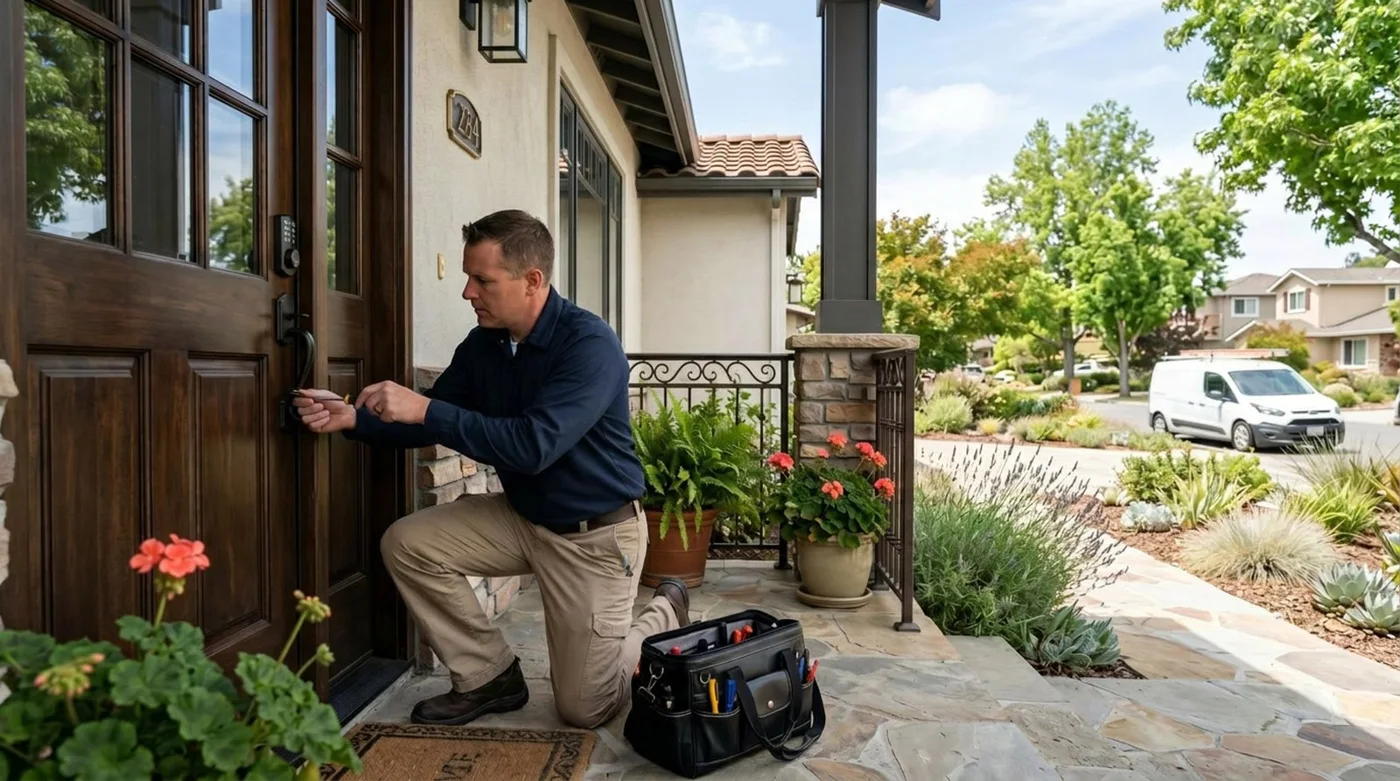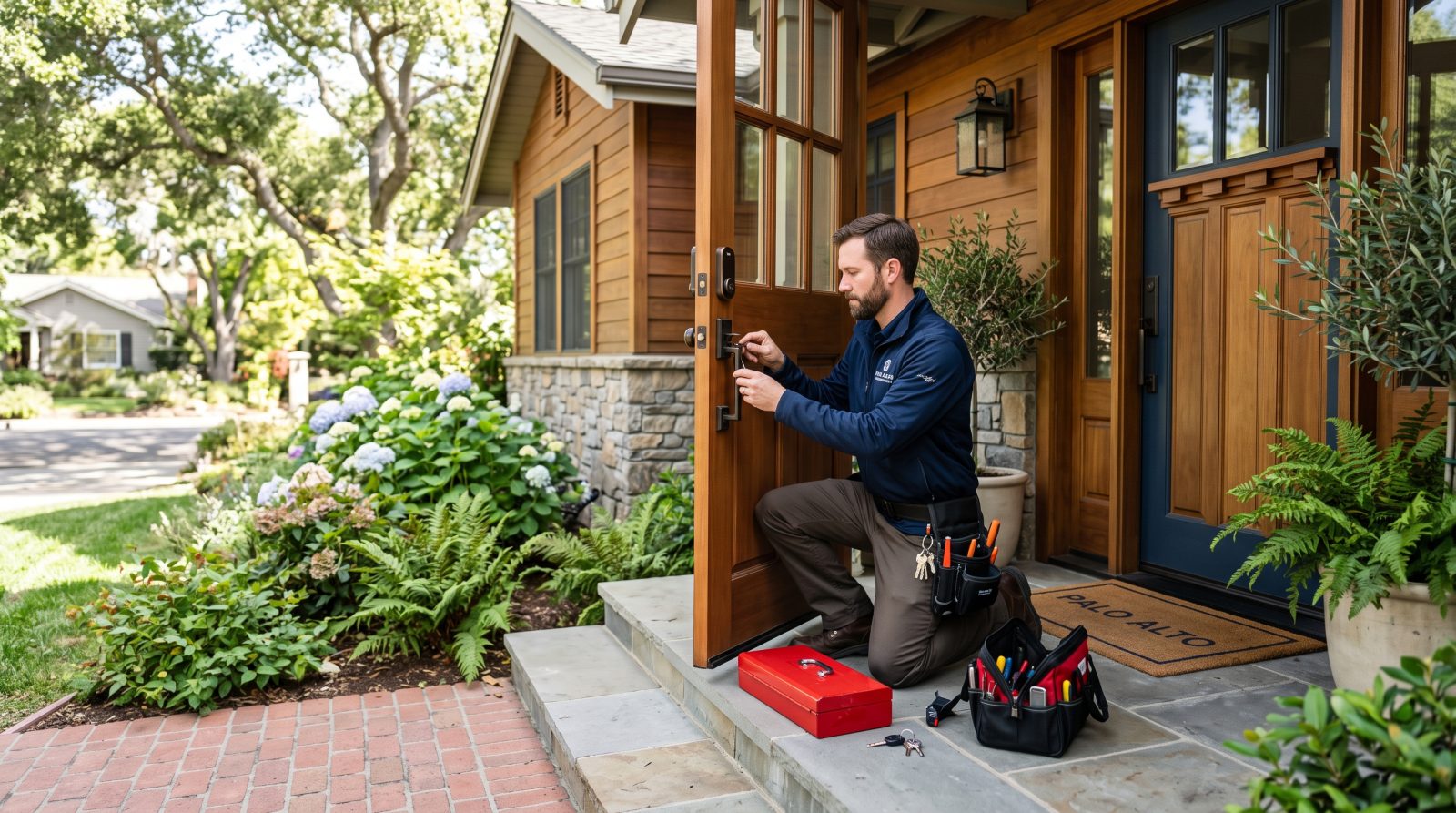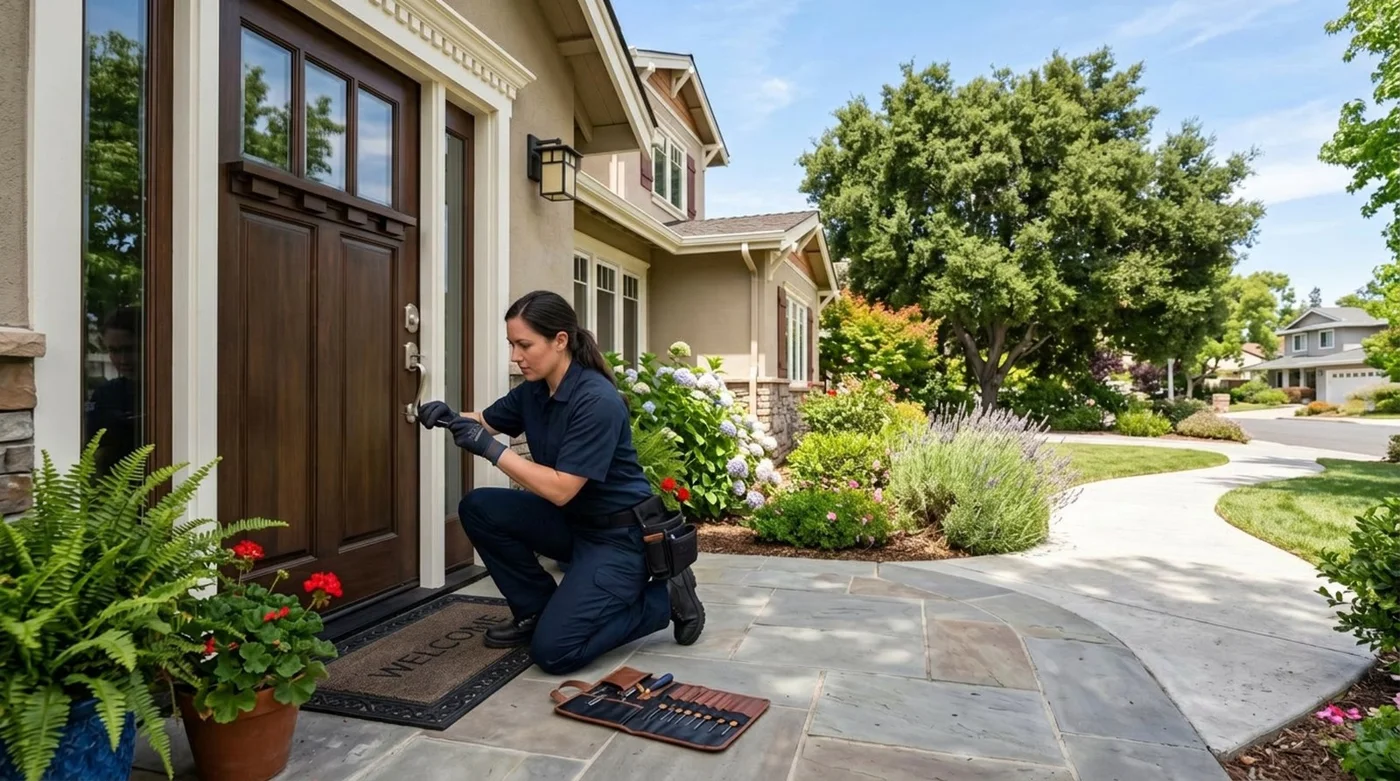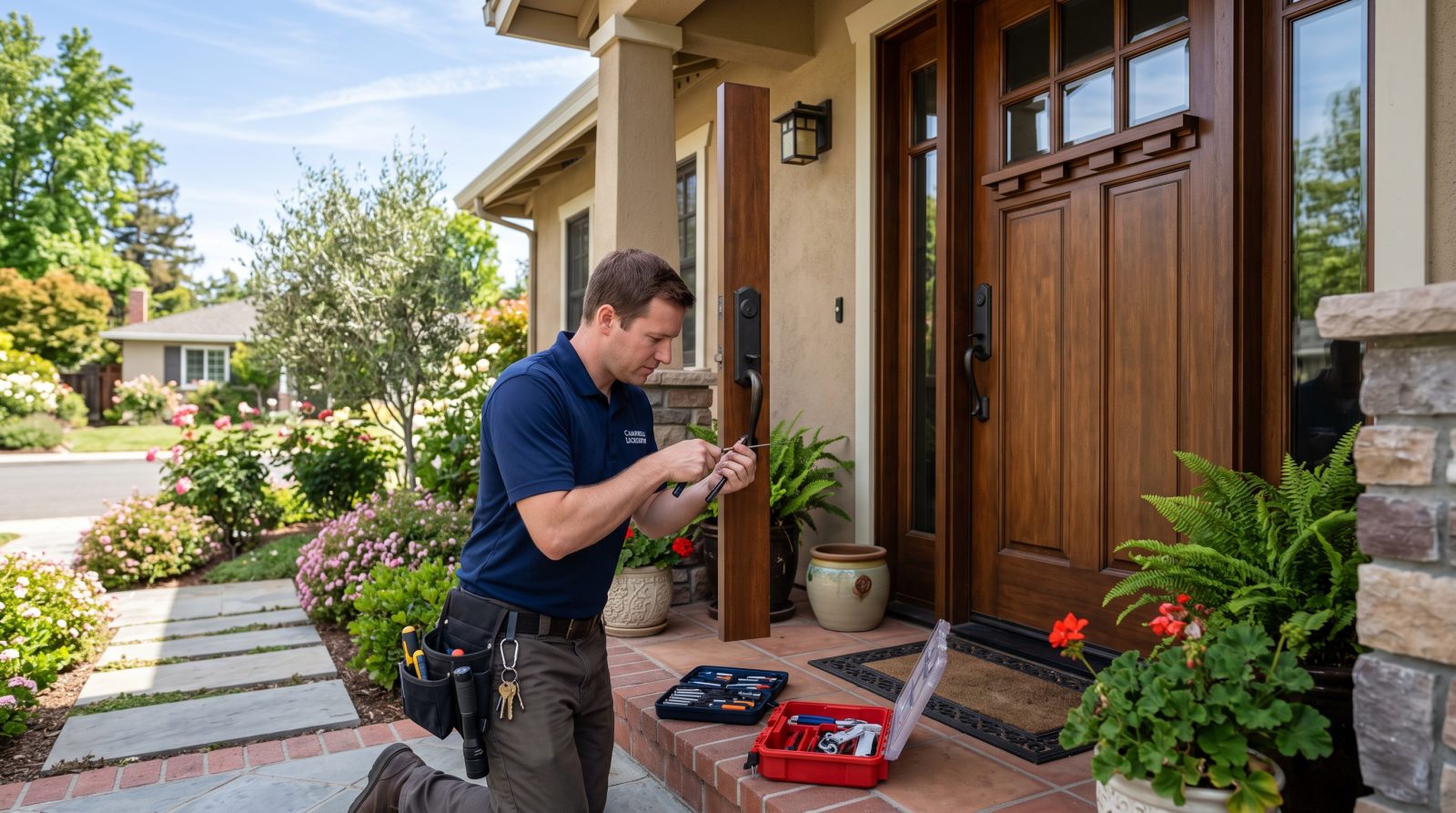
What does a locksmith do?
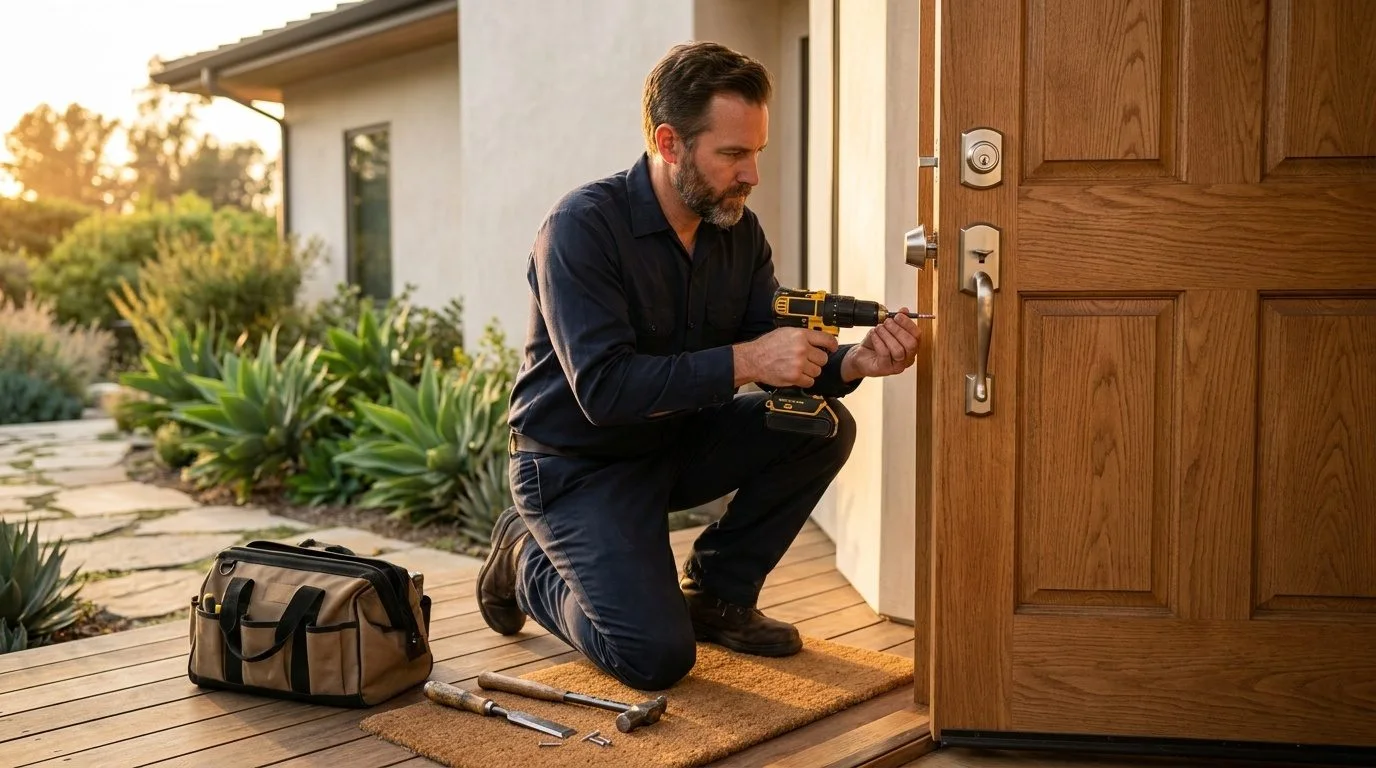
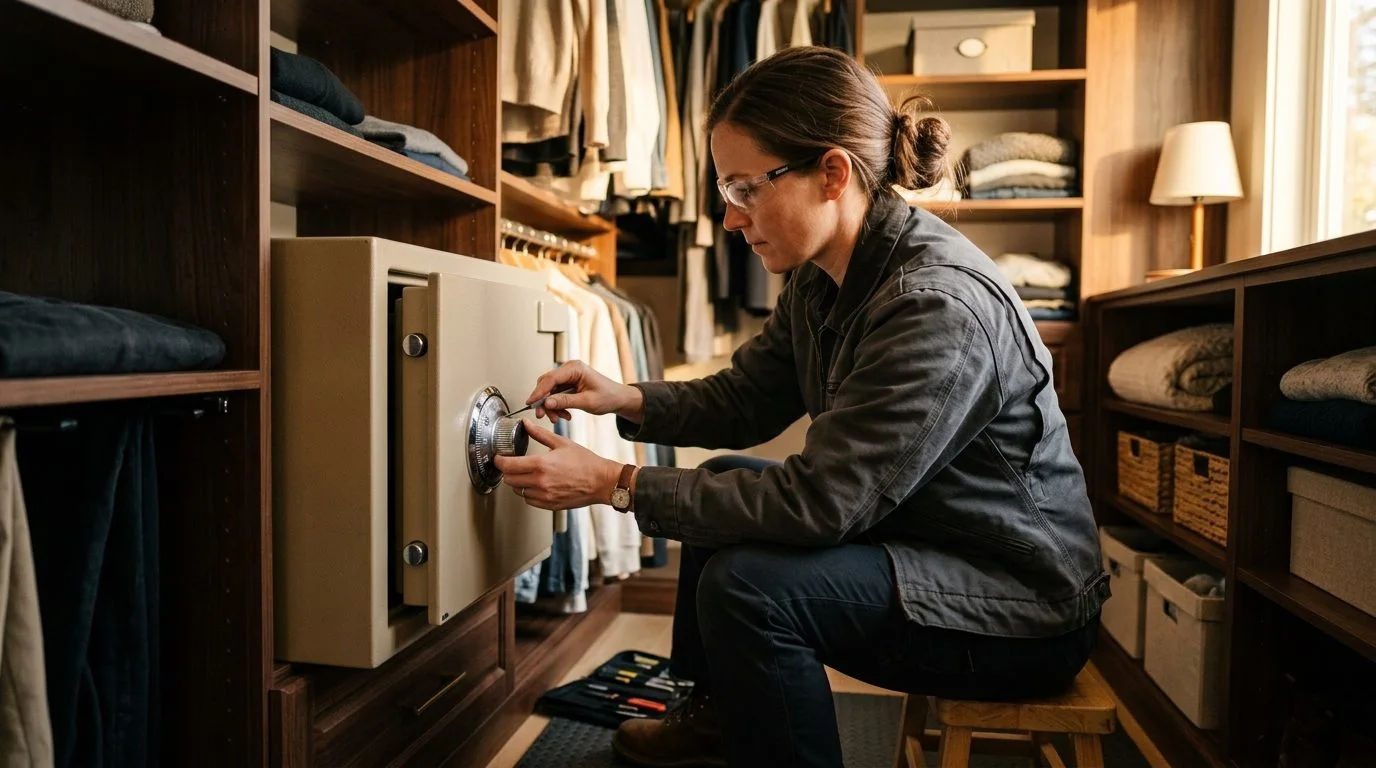
A locksmith installs, repairs, adjusts, and opens locks and door hardware, and cuts or programs keys. The job covers far more than opening a lock in an emergency. On a typical day a locksmith might rekey a deadbolt so old keys no longer work, swap a worn lever set, troubleshoot a sticking door latch, program a transponder car key, or help a homeowner choose and fit a smart lock. Work falls into three broad buckets: getting you in (lockouts and openings), changing access (rekeys, new locks, key duplication), and upgrading or repairing hardware (deadbolts, smart locks, commercial exit devices).
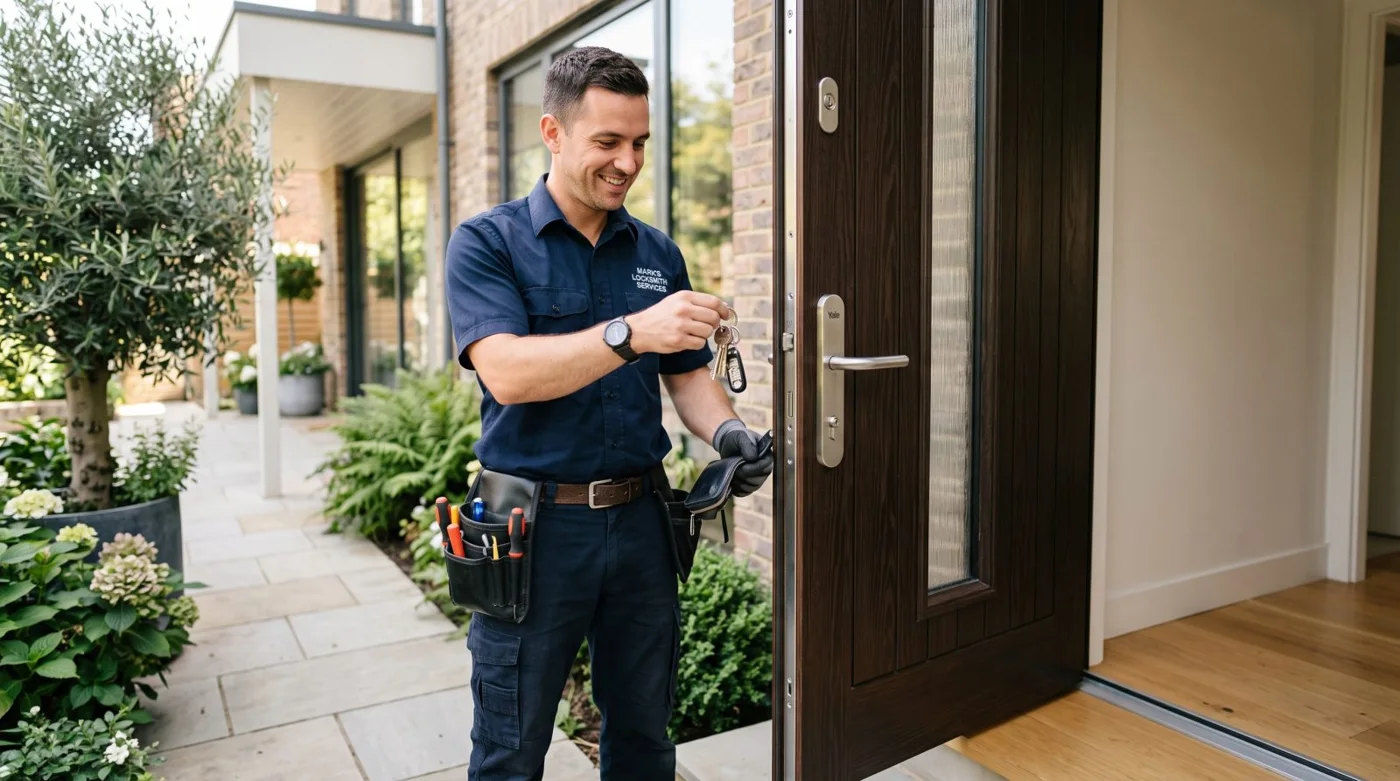
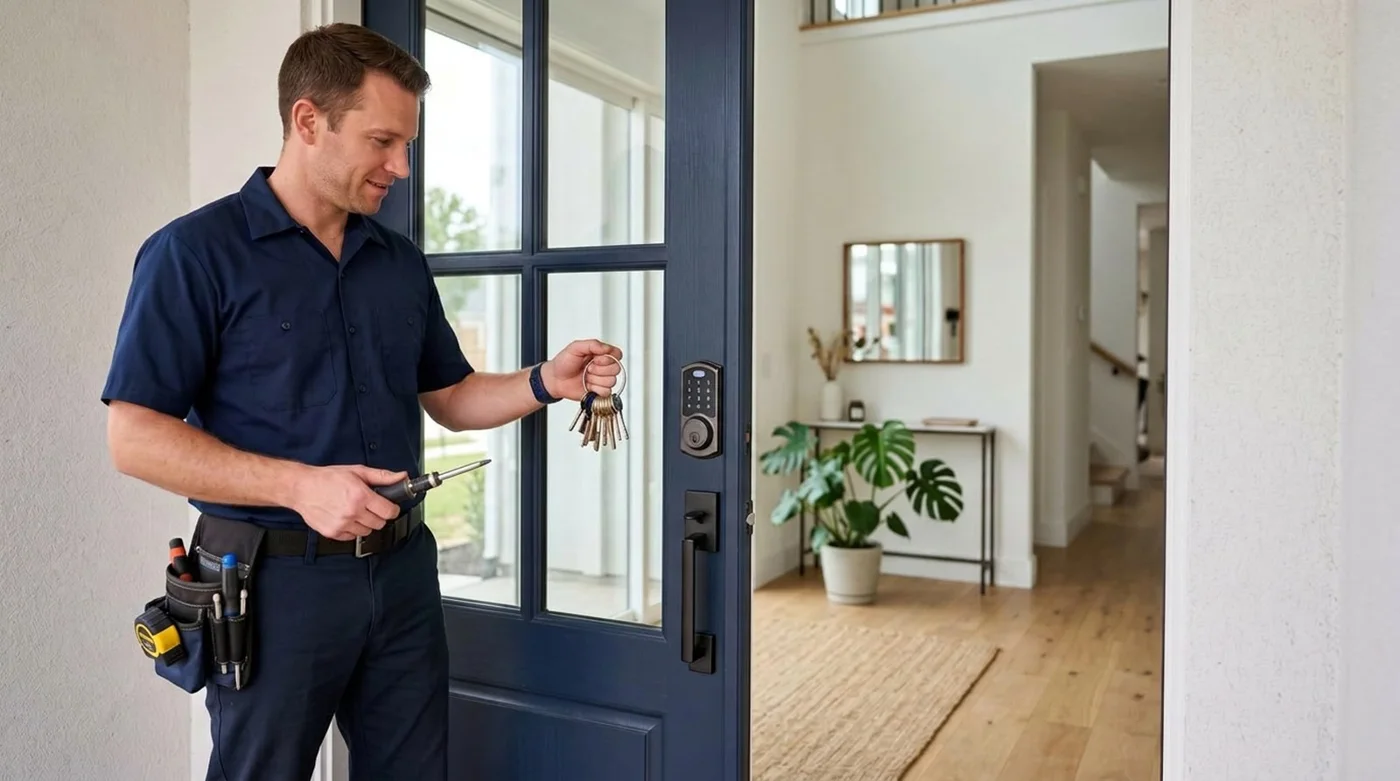
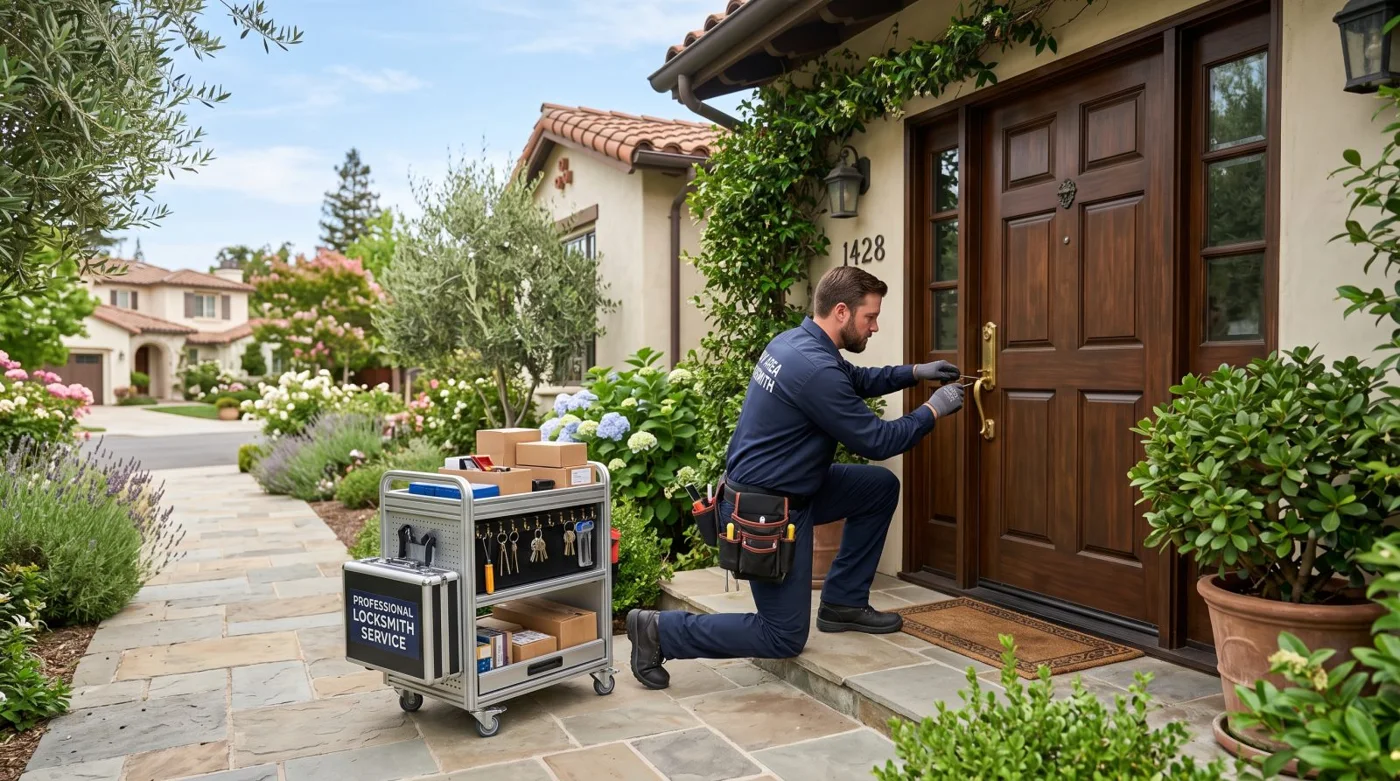
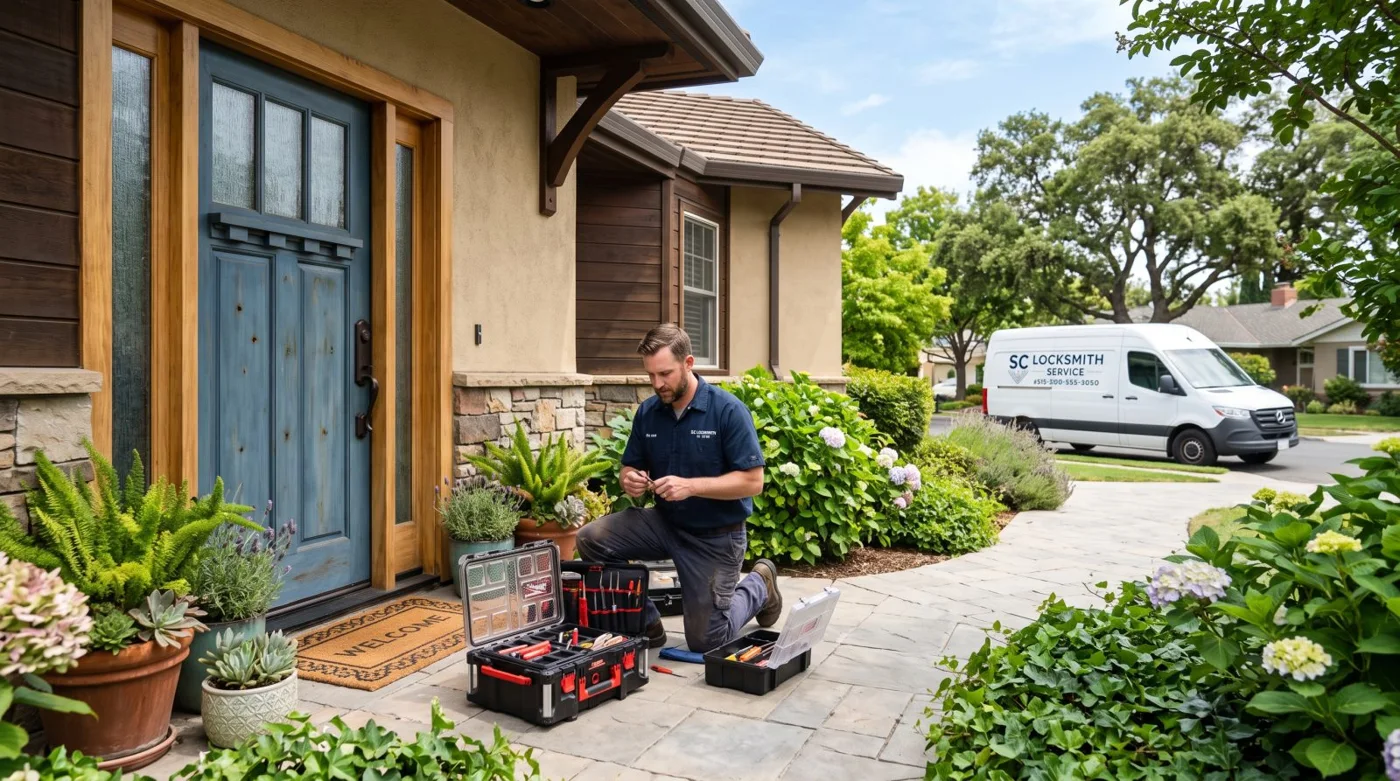
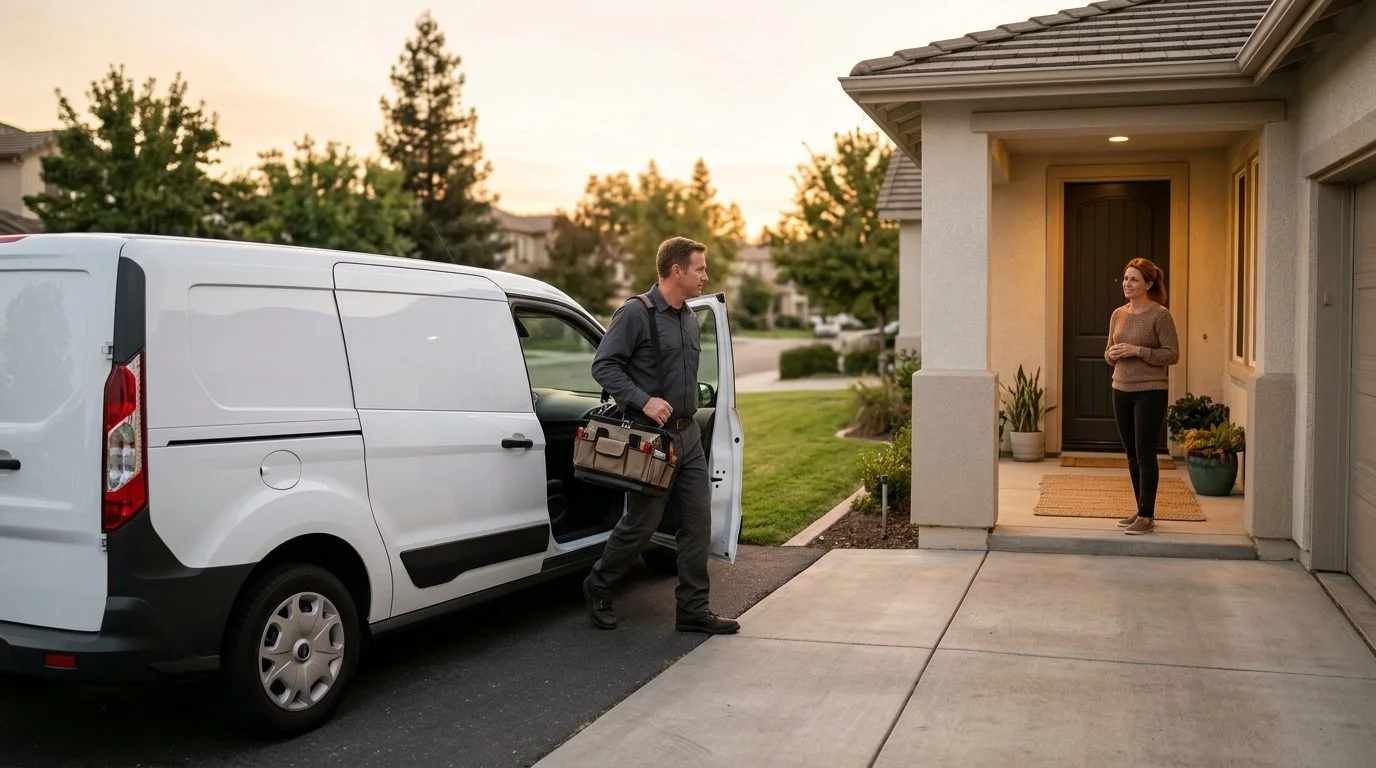
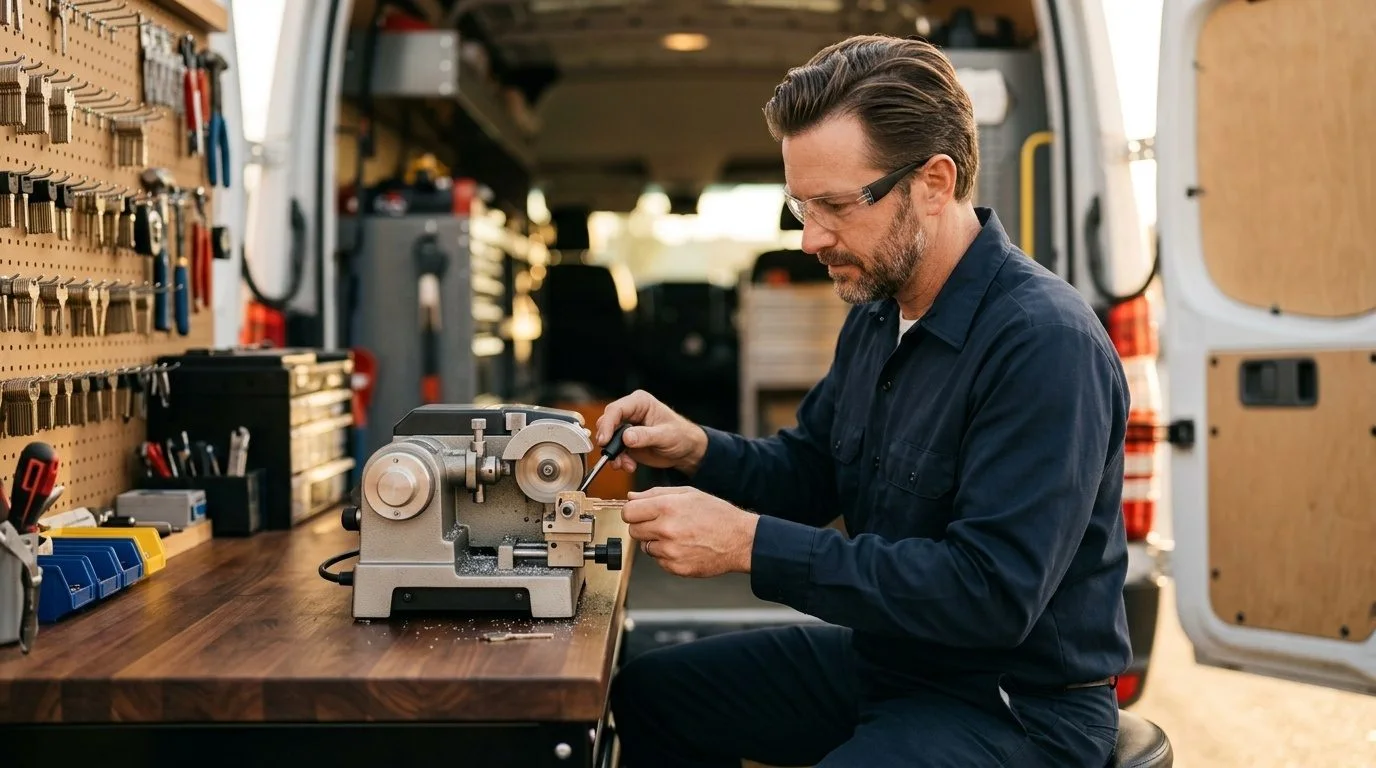
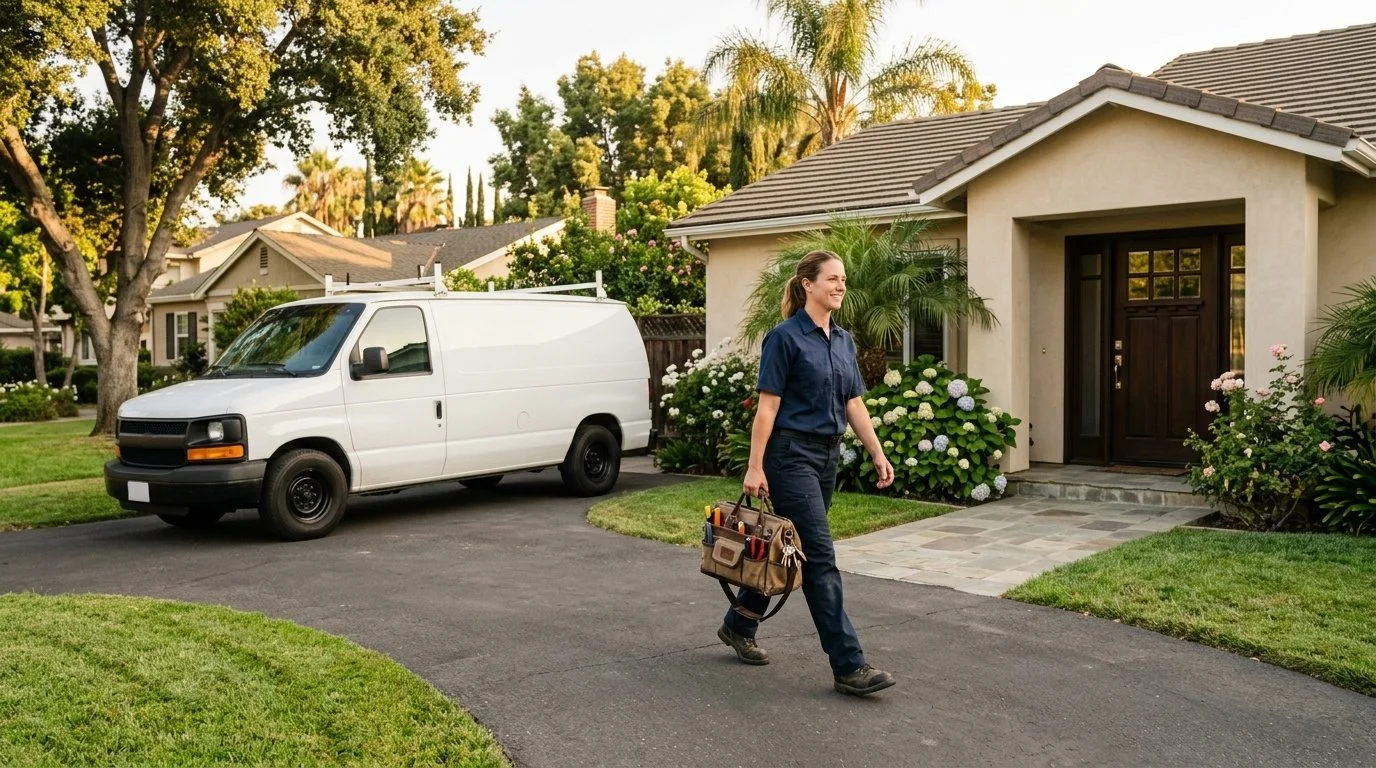
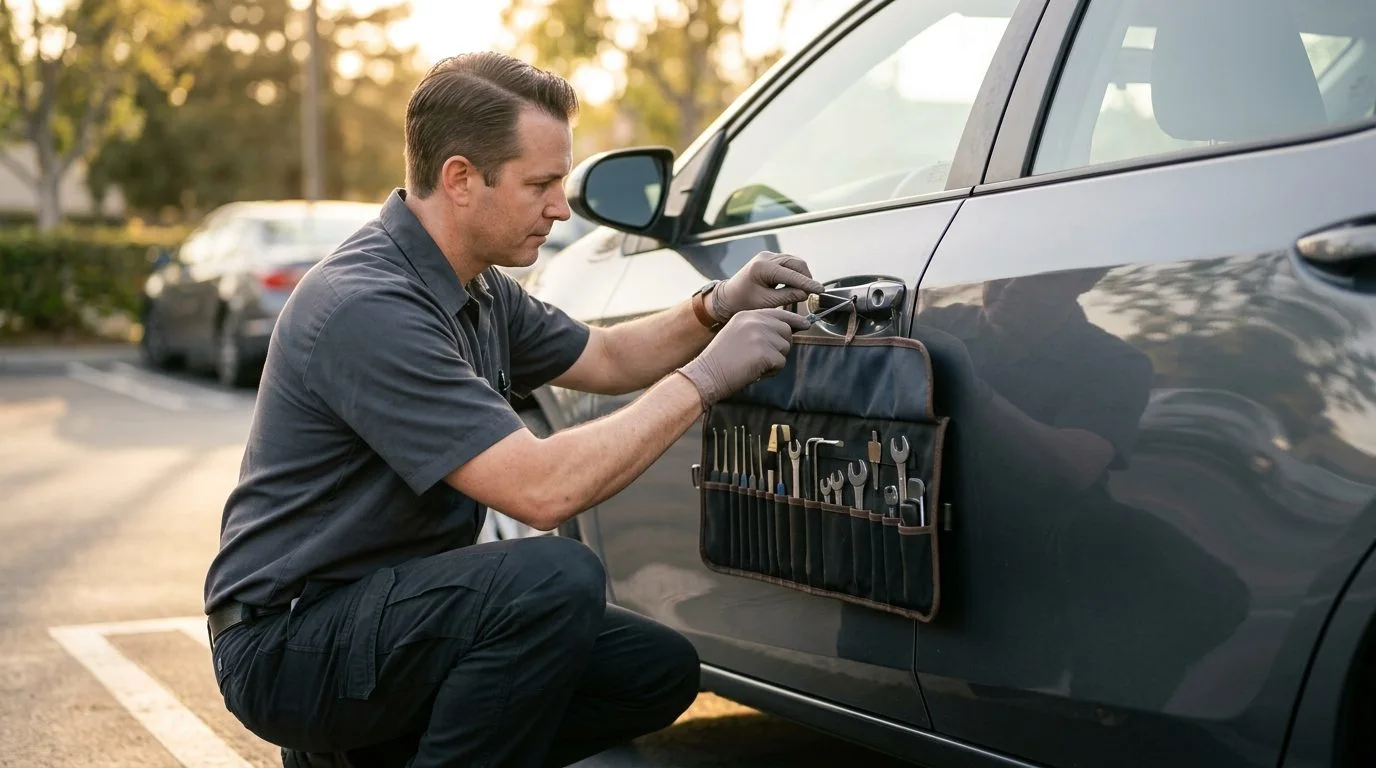
Most residential and automotive work is done on-site with a mobile setup, because the lock or vehicle can't easily come to a shop. A locksmith carries key blanks, a key-cutting machine, programming tools for vehicle keys, common lock cylinders, and the hand tools needed to service hardware without damaging the door where possible. The right approach depends on the lock, the door, and what you're trying to accomplish, so a good locksmith starts by asking questions before quoting or working.
Locksmith services we help you find
Locksmith Near Me covers the everyday services most homes, drivers, and small businesses need. Whether it's an urgent lockout or a planned security upgrade, the goal is to match you with a local pro who handles your specific job.
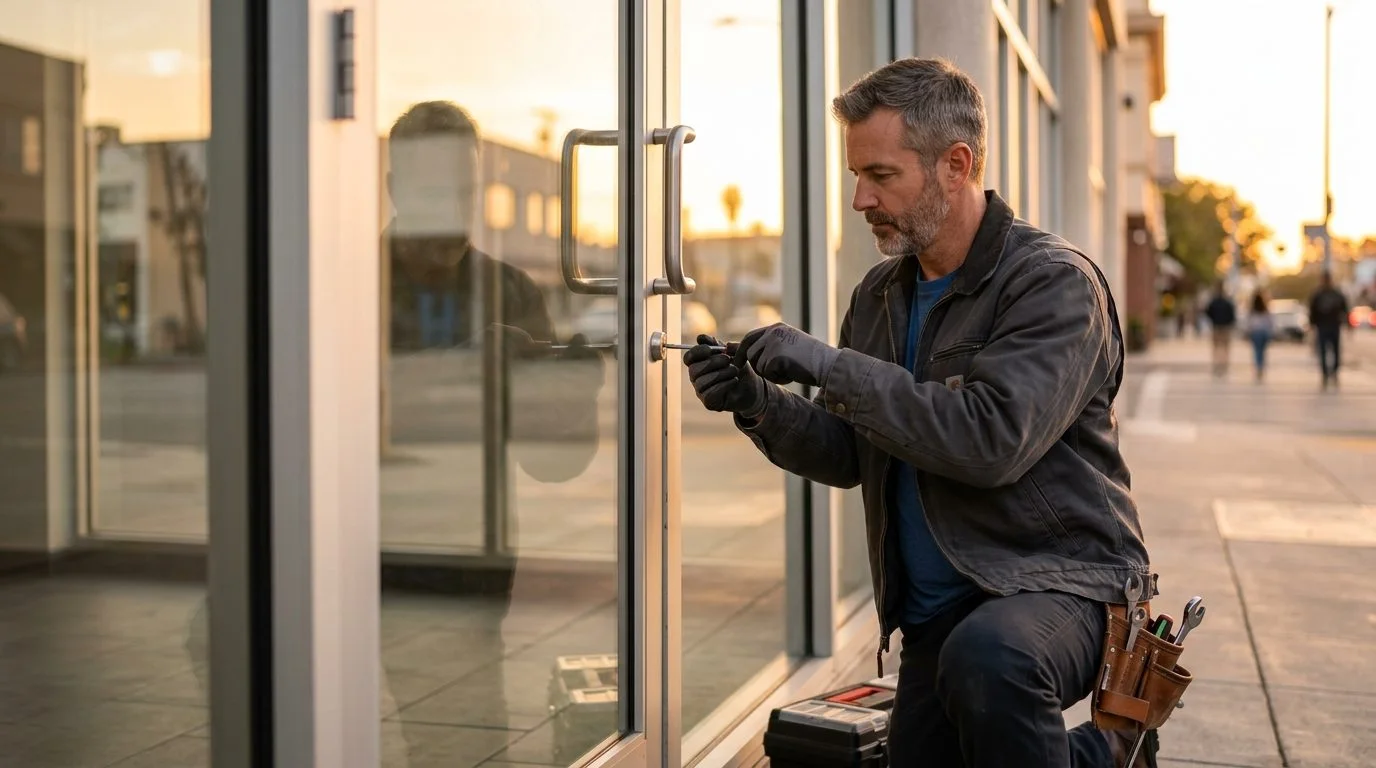
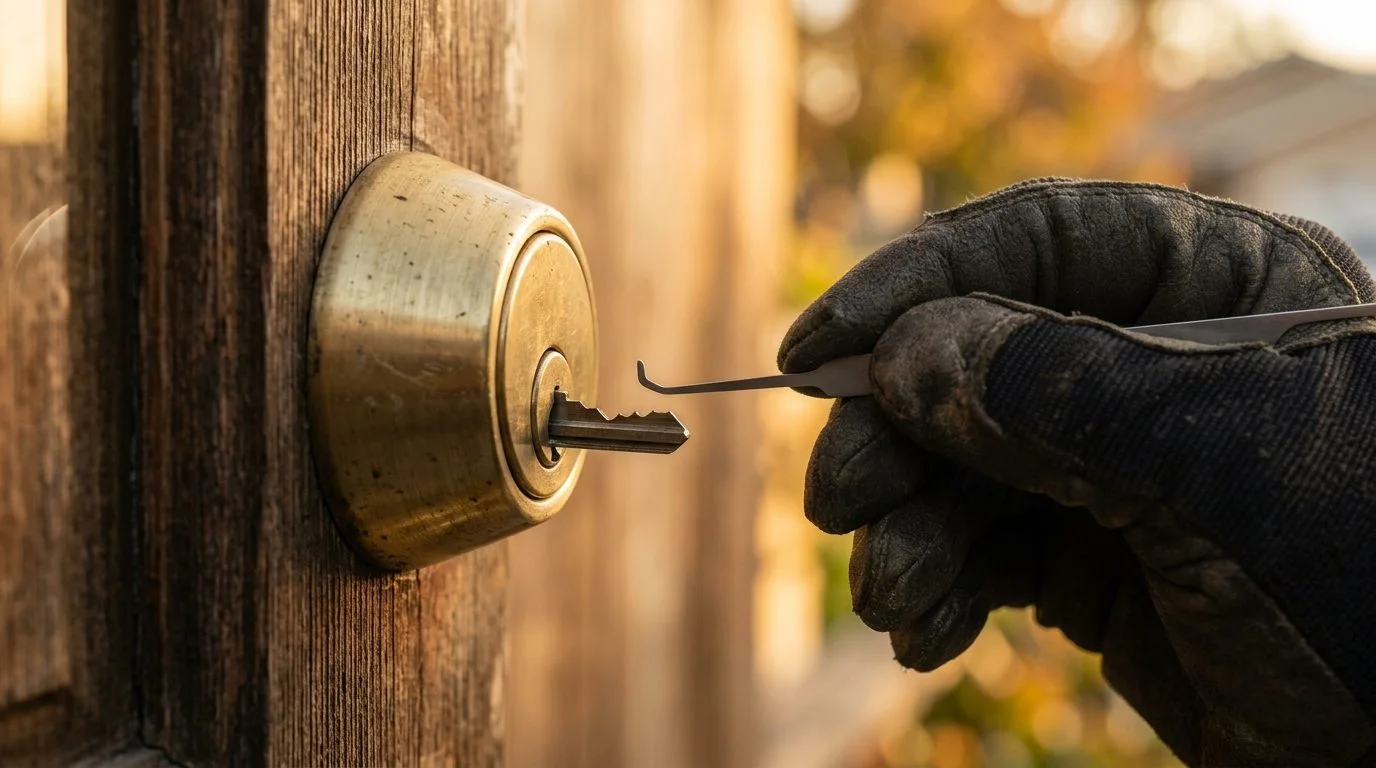
- Lockouts: regaining entry to a home, apartment, office, or vehicle when keys are lost, locked inside, or broken off in the lock.
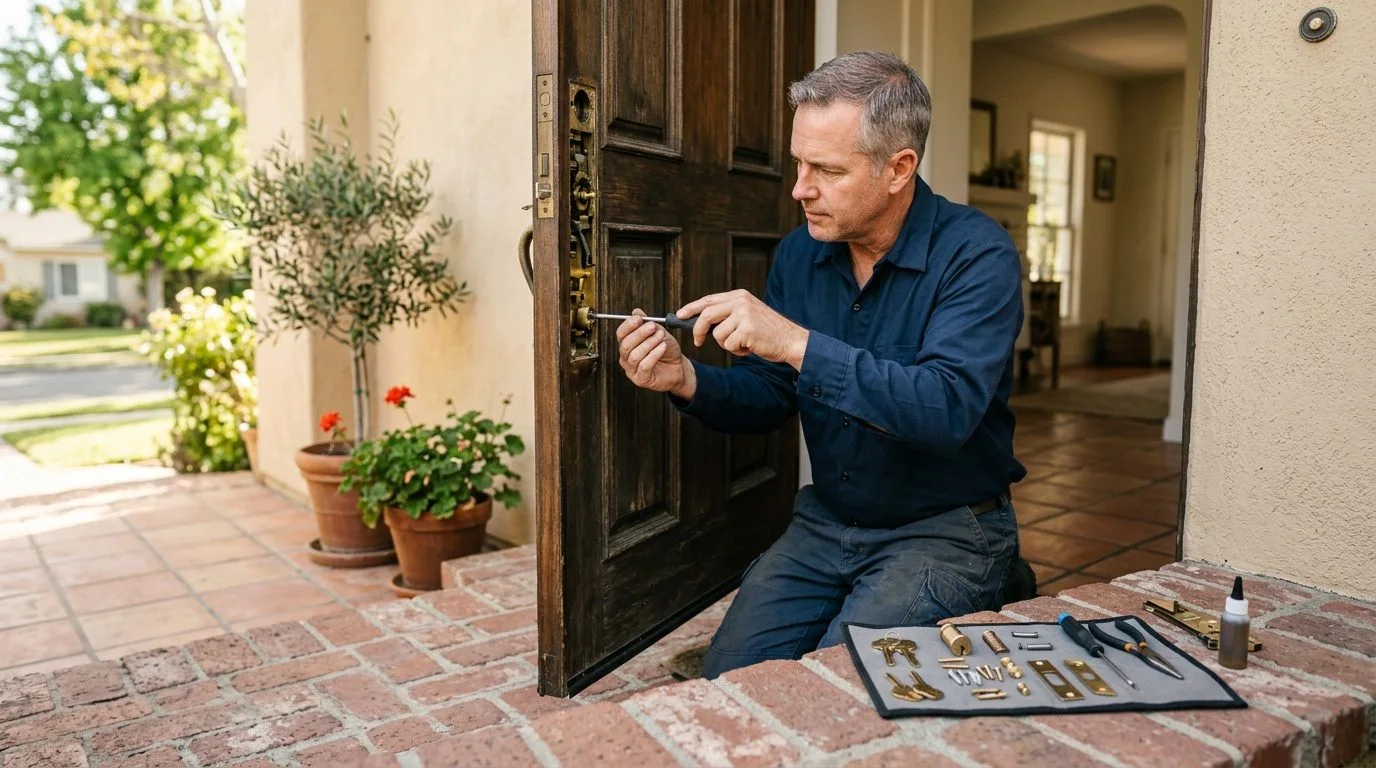
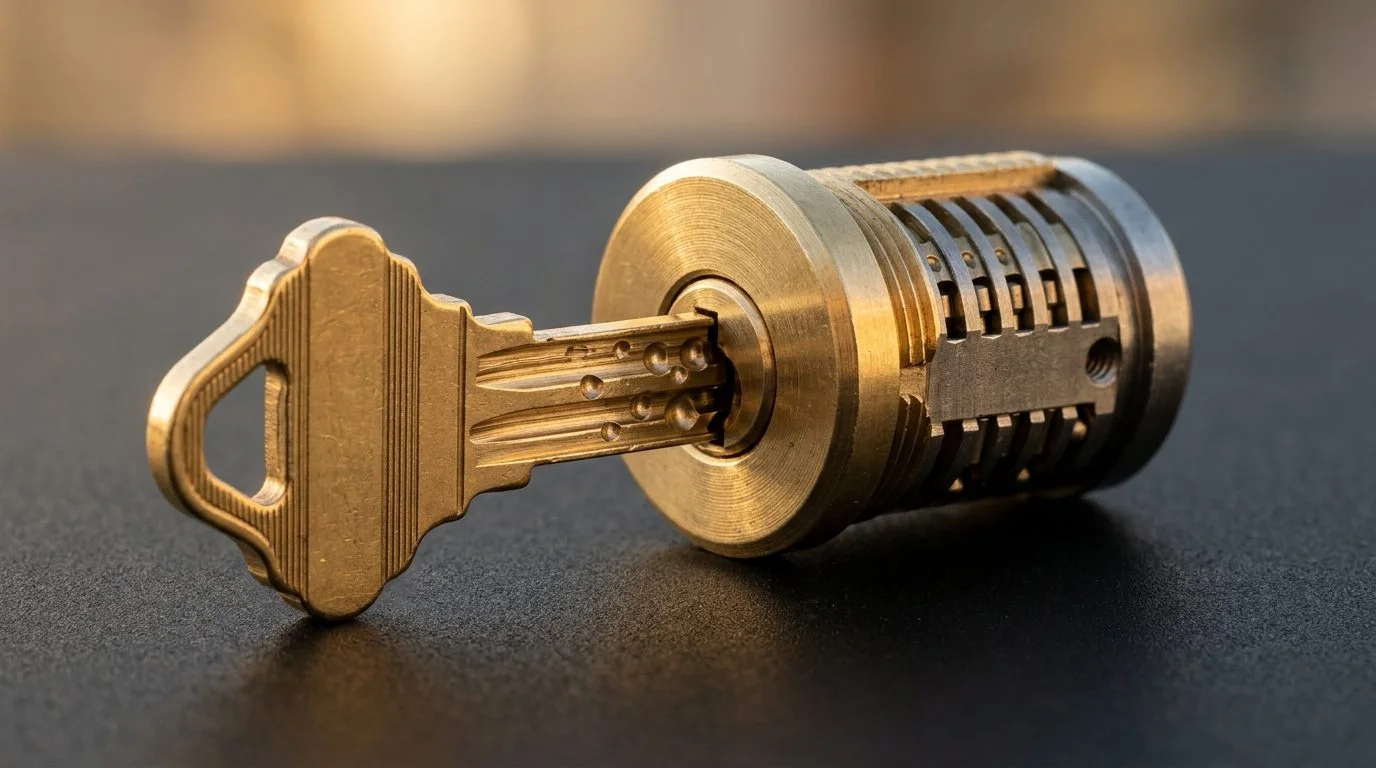
- Rekeys: changing the internal pins of an existing lock so old keys stop working and a new key takes over, without replacing the whole lock.
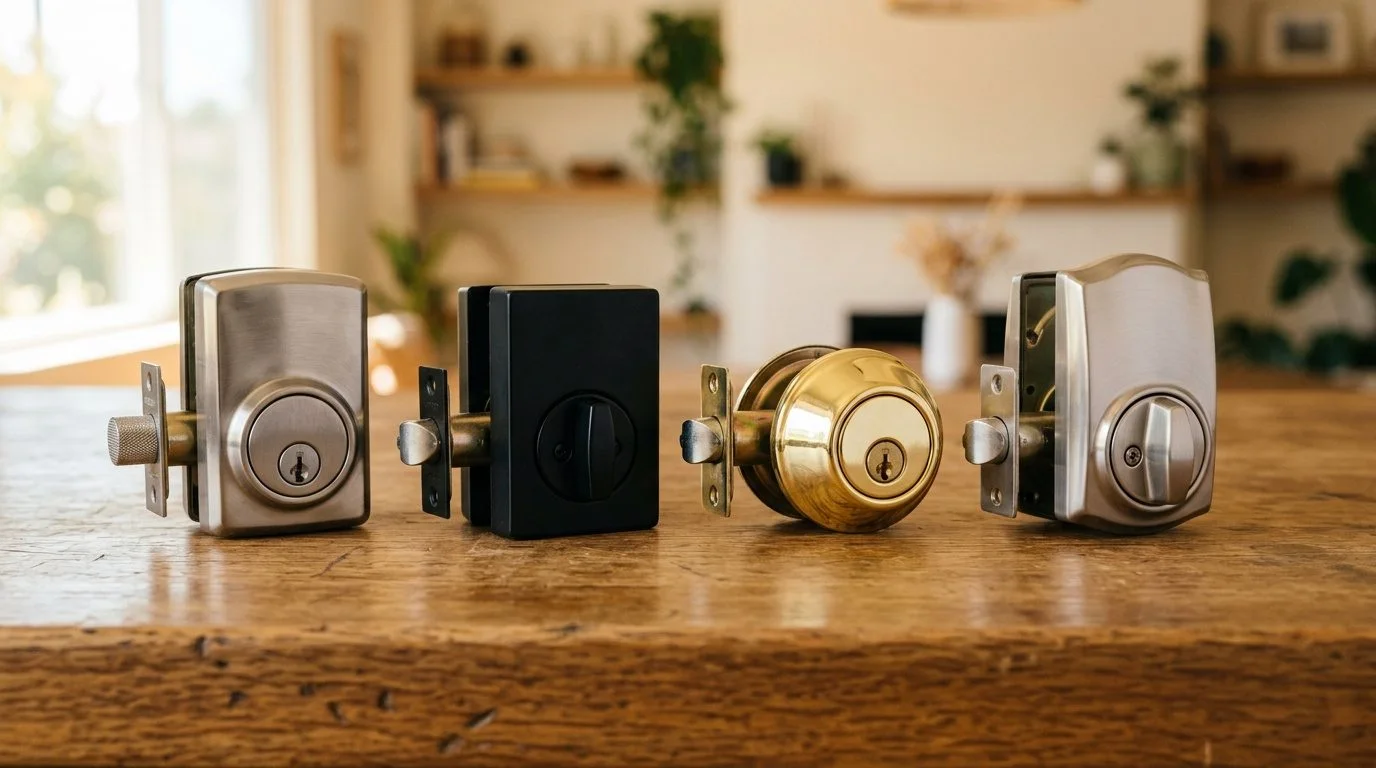
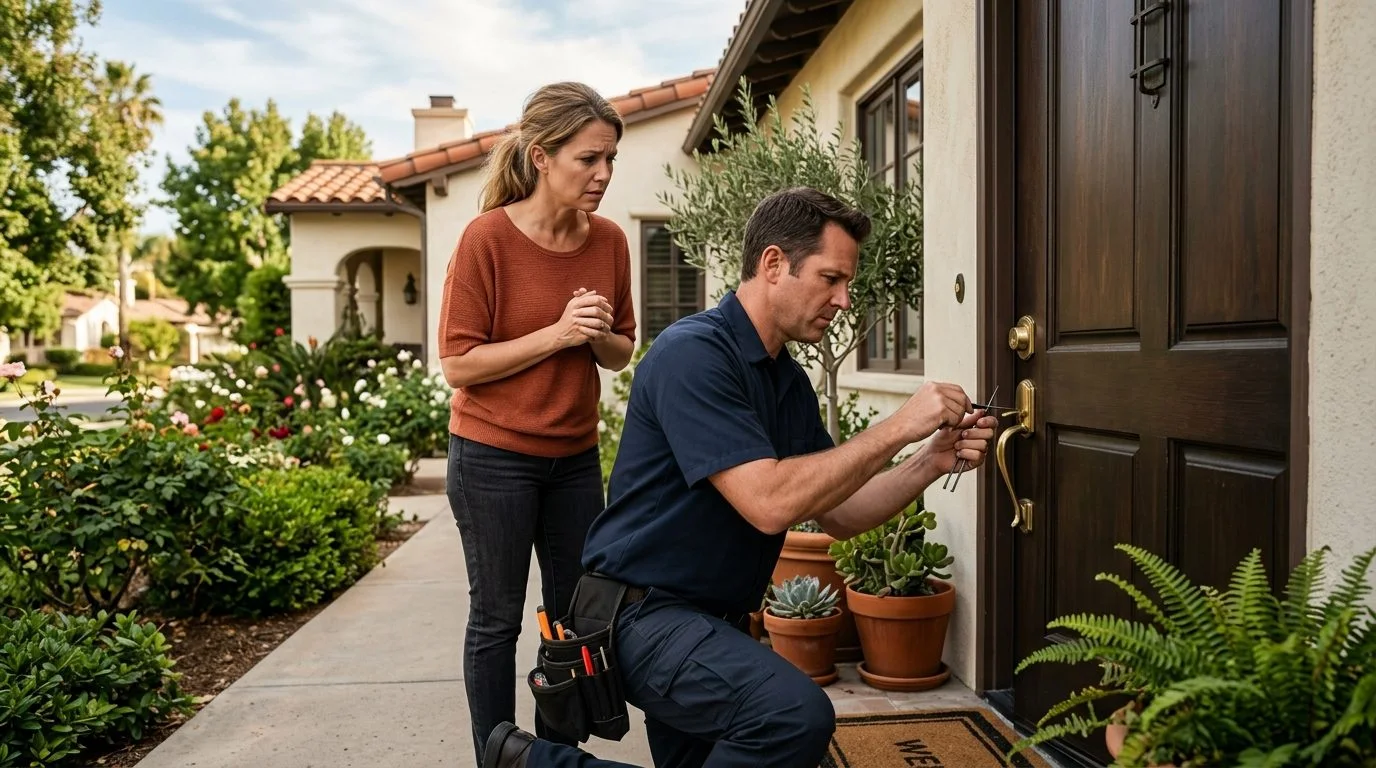
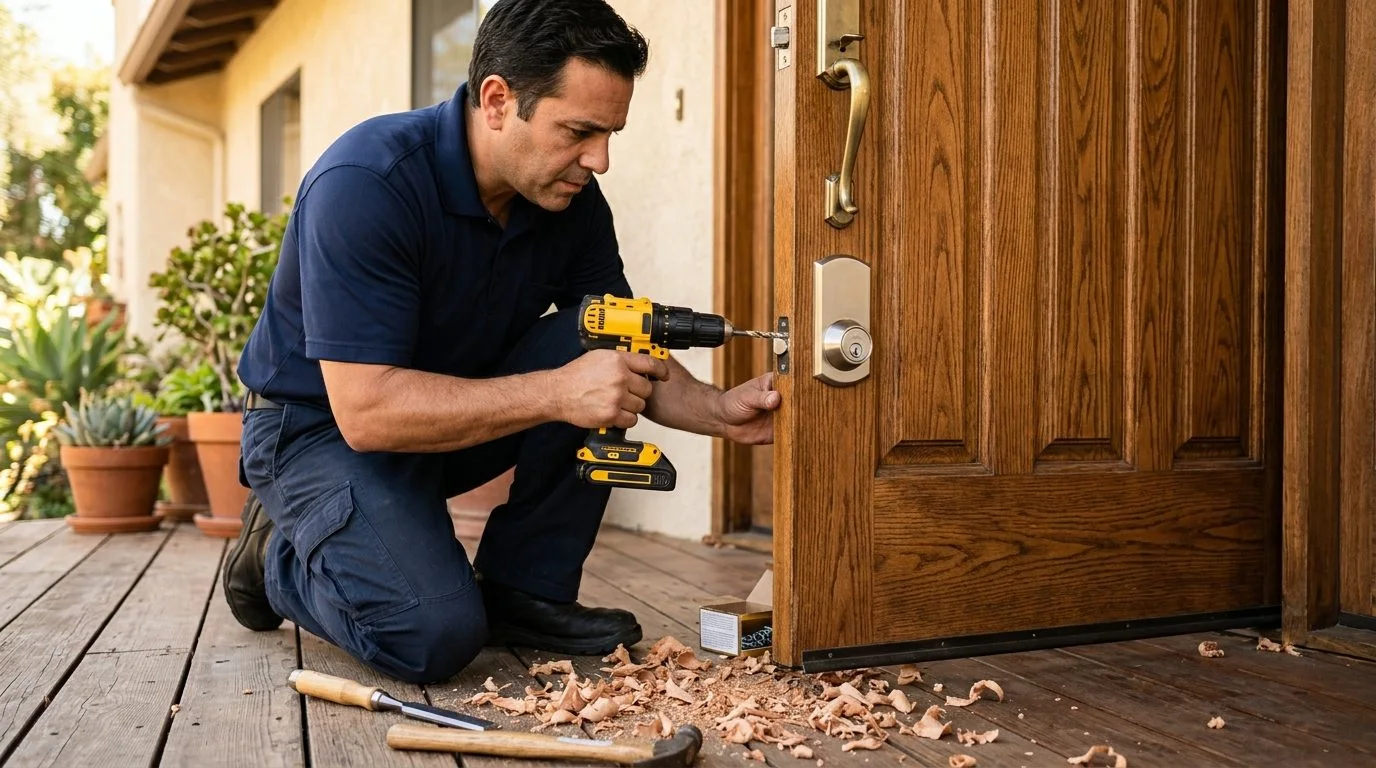
- Lock installation and repair: fitting new deadbolts, knob and lever sets, and door hardware, plus fixing misaligned latches, loose cylinders, and worn locks.
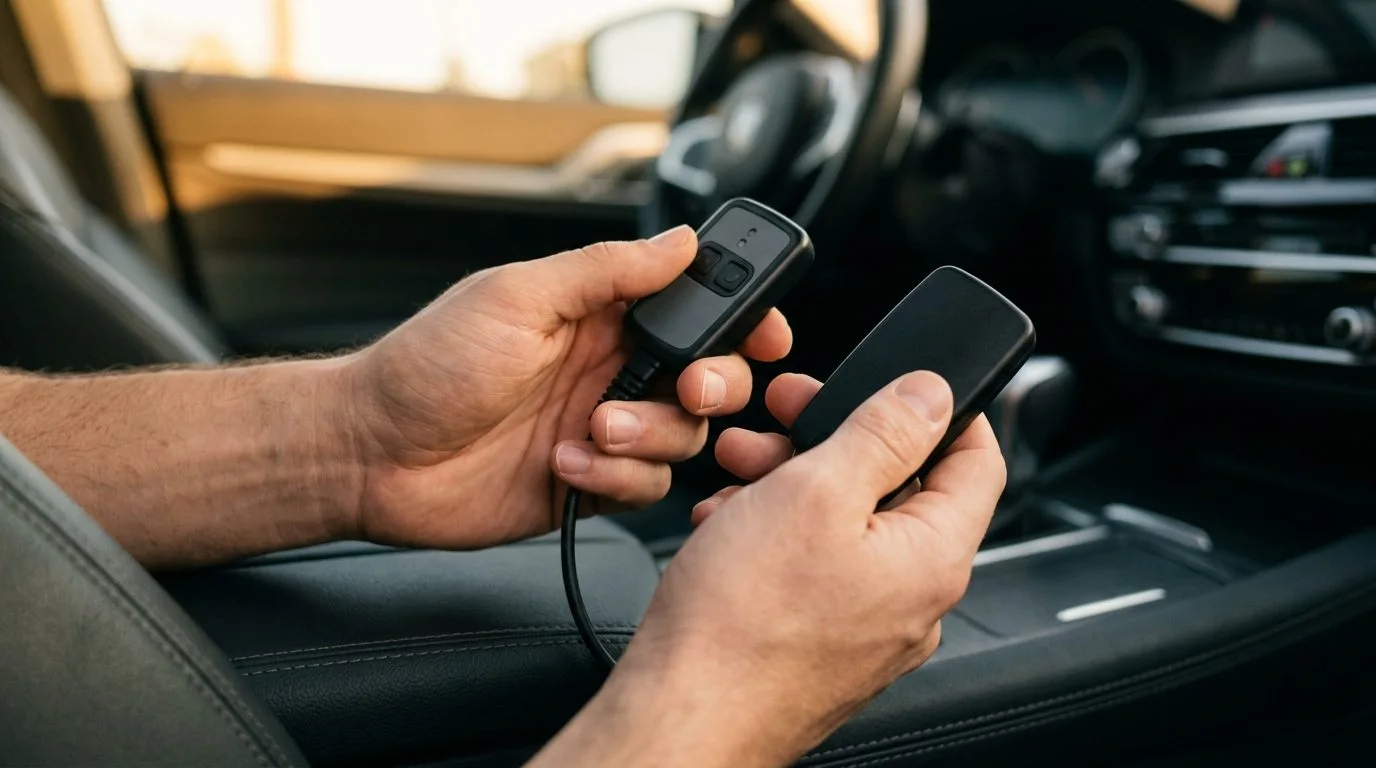
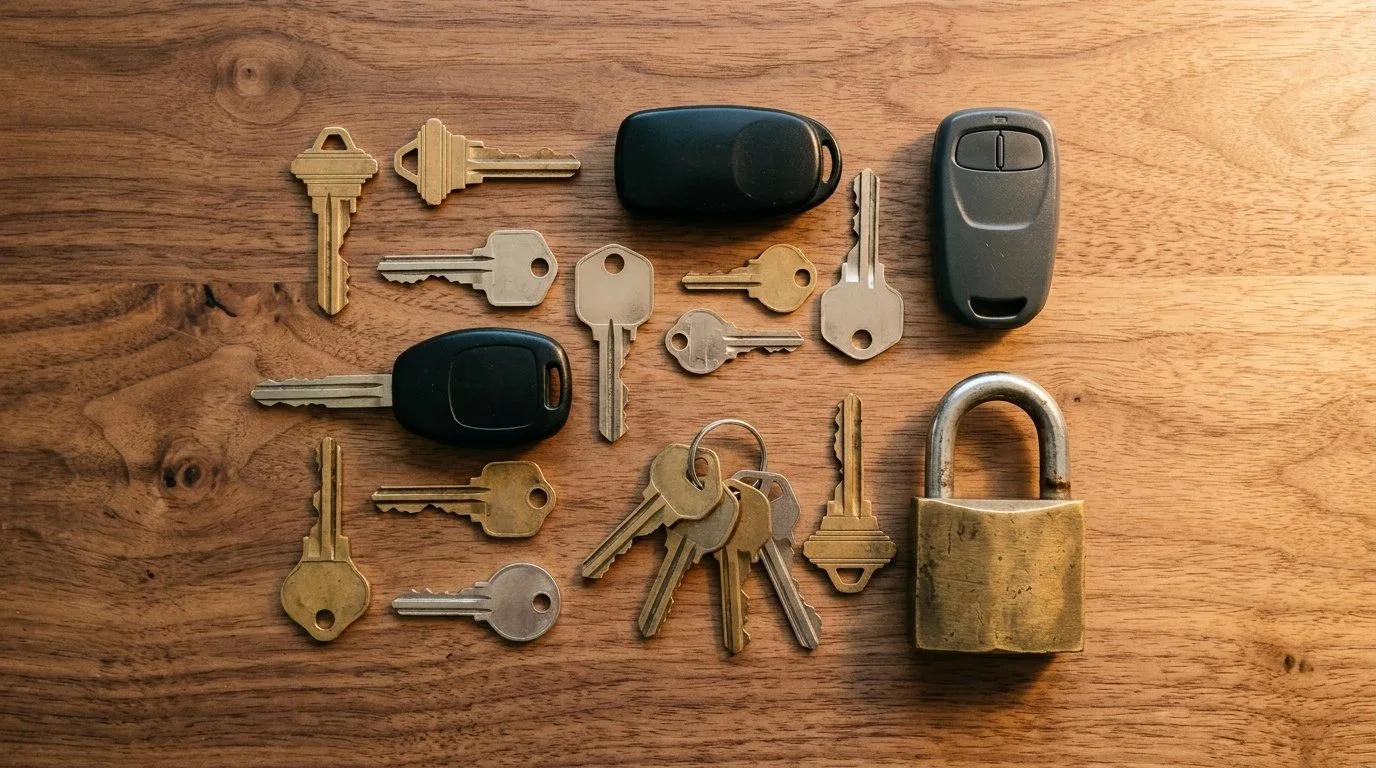
- Car keys and fobs: cutting replacement keys, extracting broken keys, and programming transponder keys and remote fobs for many makes and models.
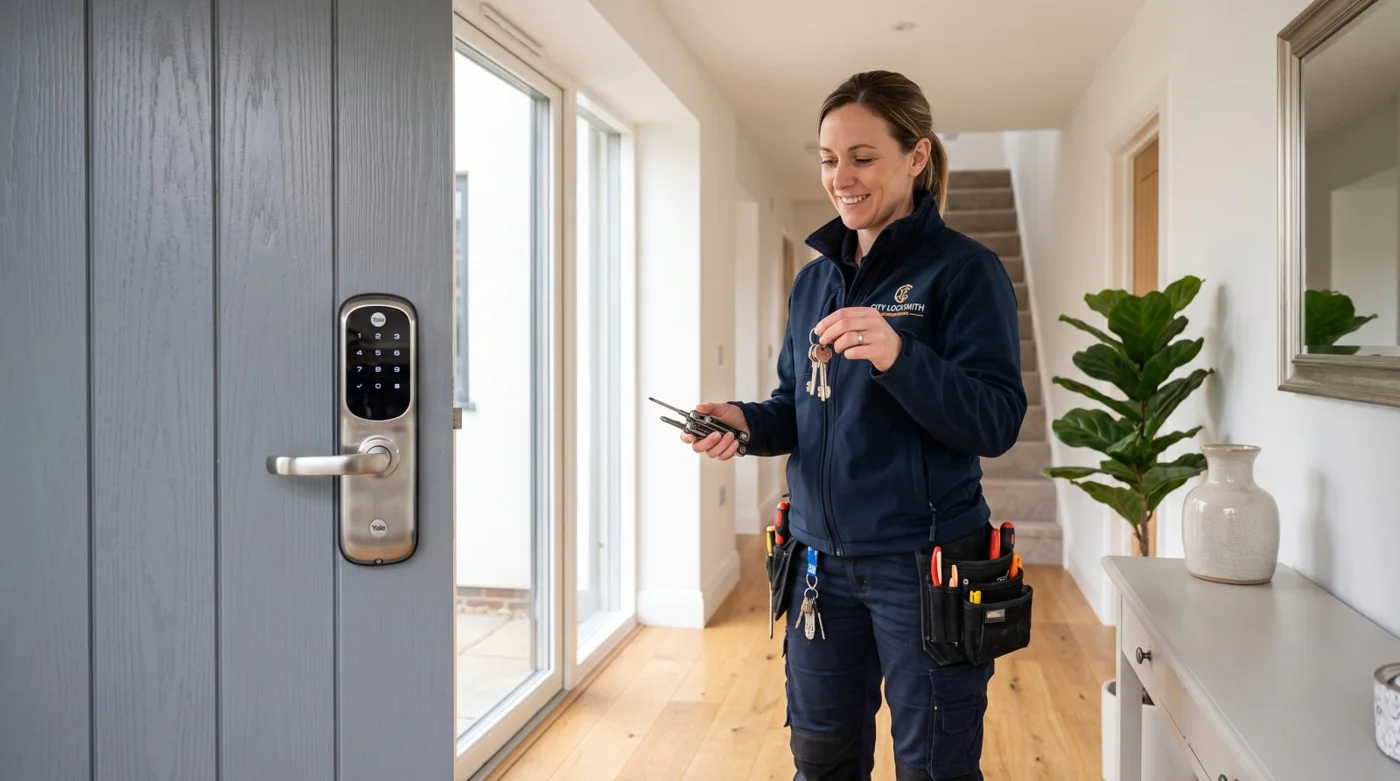
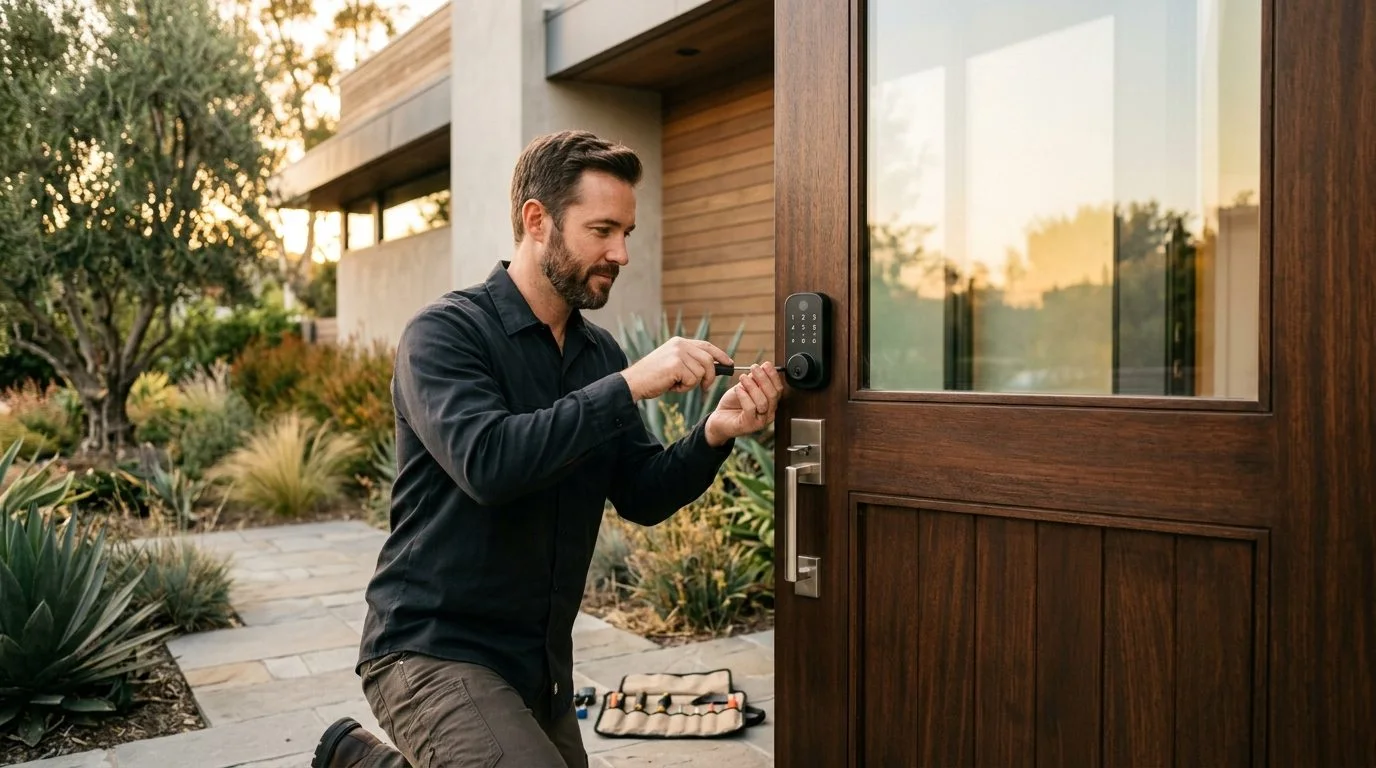
- Smart locks: helping you choose, install, and set up keypad, Wi-Fi, and Bluetooth locks, and integrating them with existing deadbolt hardware.
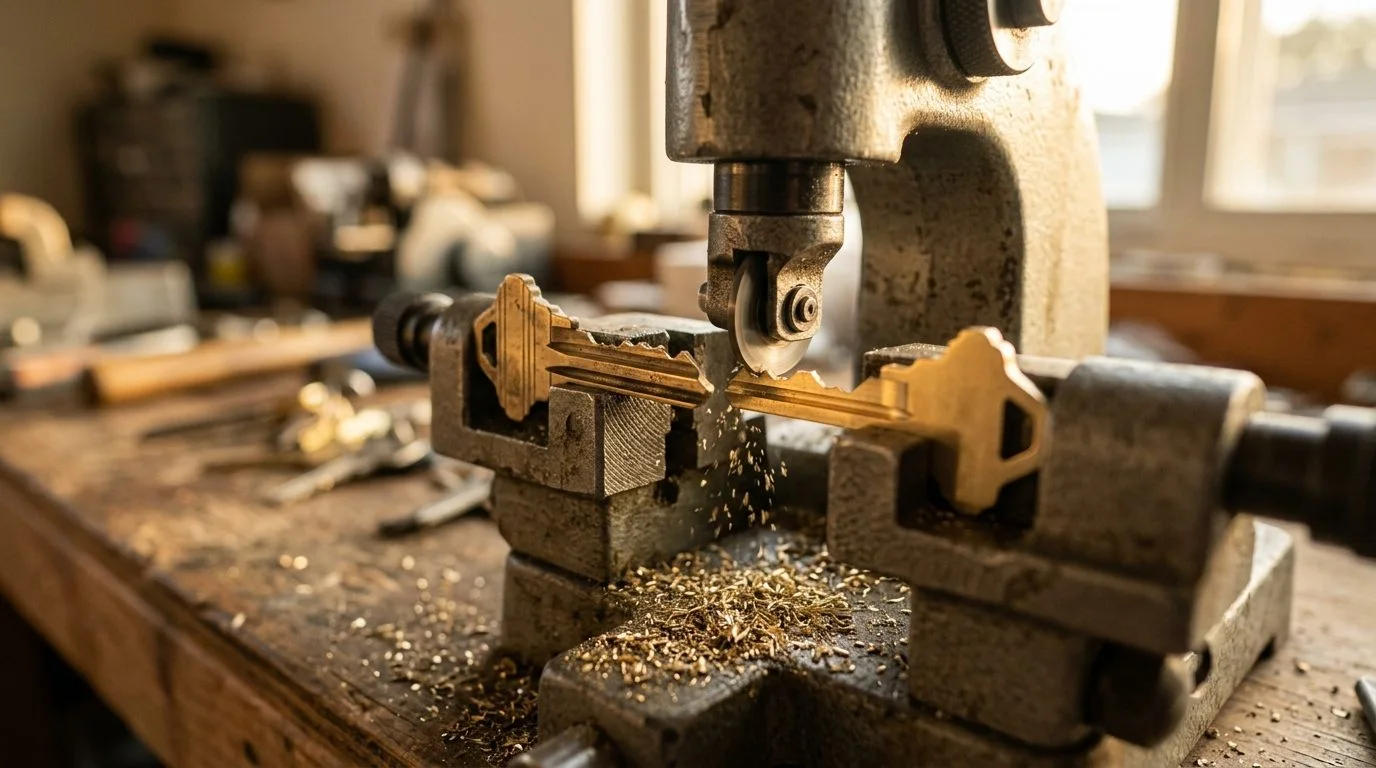
- Key duplication: making spare keys for standard residential and commercial locks so household members or staff have their own copy.
Rekey or replace a lock: what's the difference?
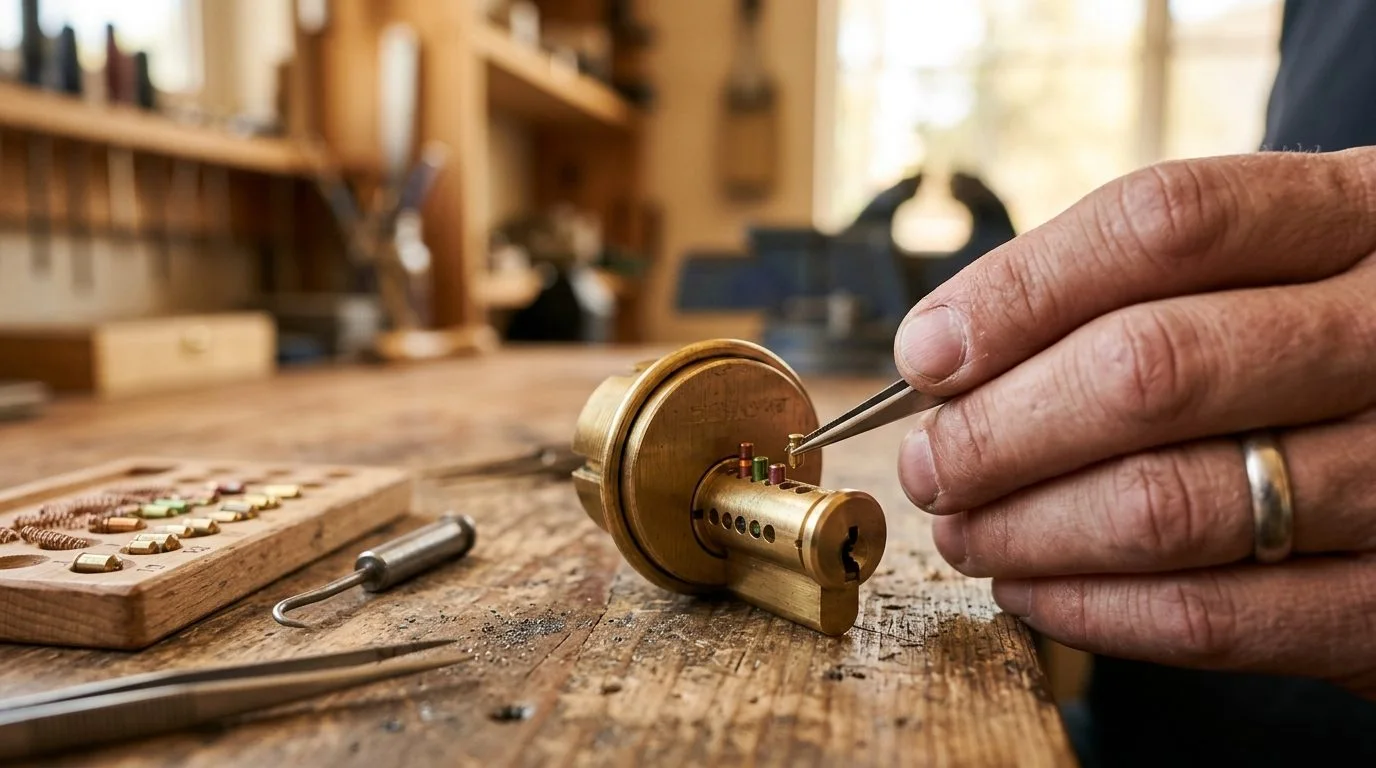
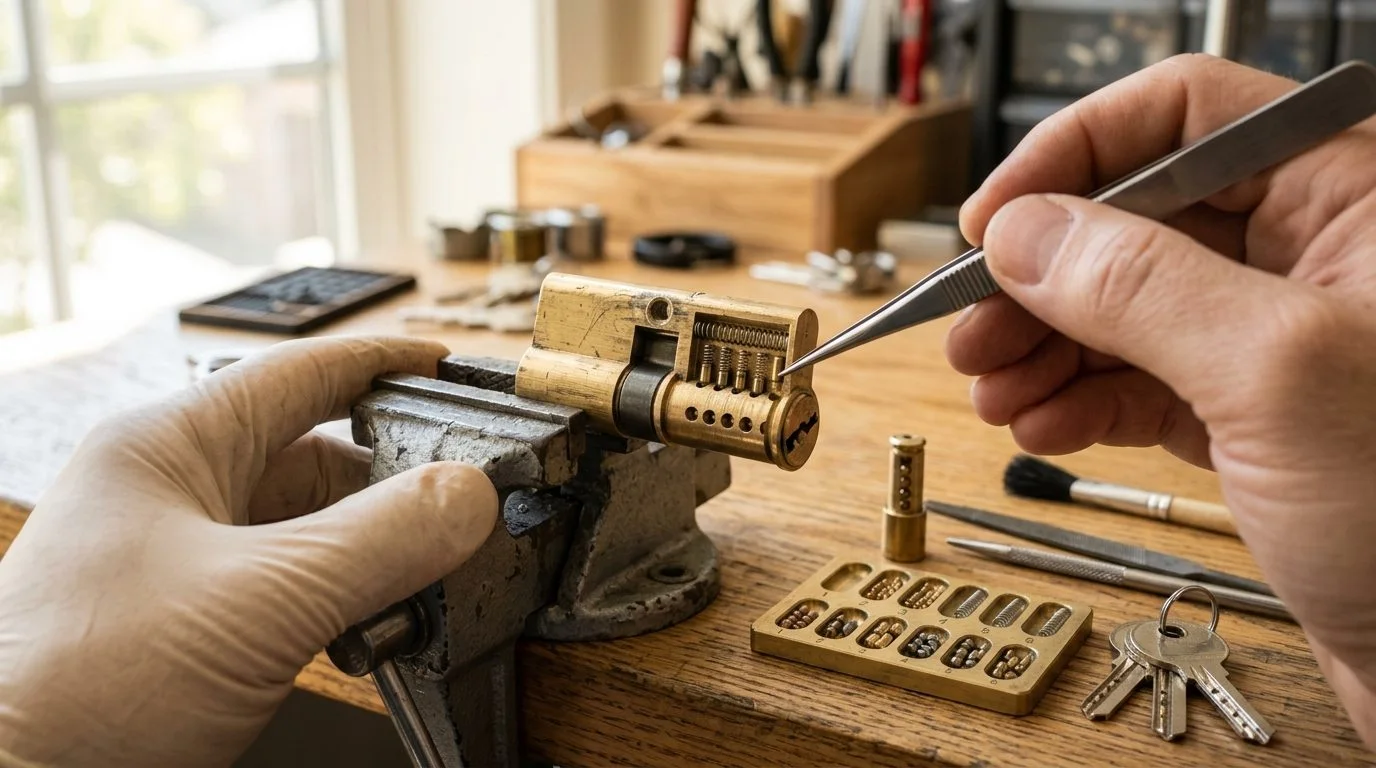
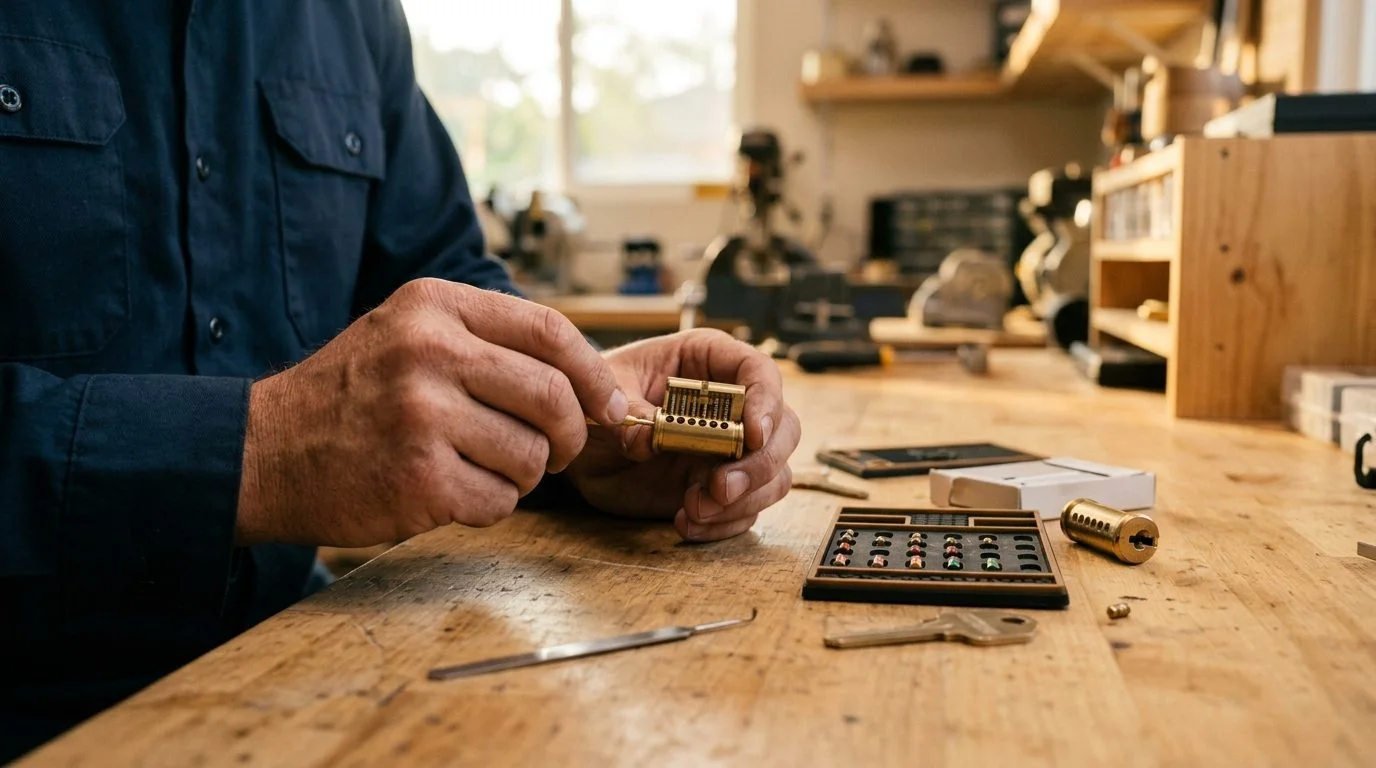
Rekeying changes which key opens a lock; replacing changes the lock itself. When a locksmith rekeys, they remove the lock cylinder and reset the small spring-loaded pins inside so the lock now matches a different key. The hardware on your door stays the same, but every old copy of the previous key stops working. Rekeying is a common, lower-cost choice when you've moved into a new home, lost a key, had a roommate or contractor move out, or simply want to make sure you control every working copy.
Replacing a lock means installing entirely new hardware. That's the better path when the existing lock is worn, damaged, low-grade, or the wrong style, or when you want to upgrade to a higher-security deadbolt or a smart lock. A useful rule of thumb: if the lock is in good shape and you only need to control who has a key, rekeying usually makes sense; if the lock is failing or you want different features, replacement is worth it. As a general guide, rekeying a standard lock is typically less expensive than buying and installing new hardware, but the right call depends on the condition of your current locks and your security goals.
What happens on a lockout call?
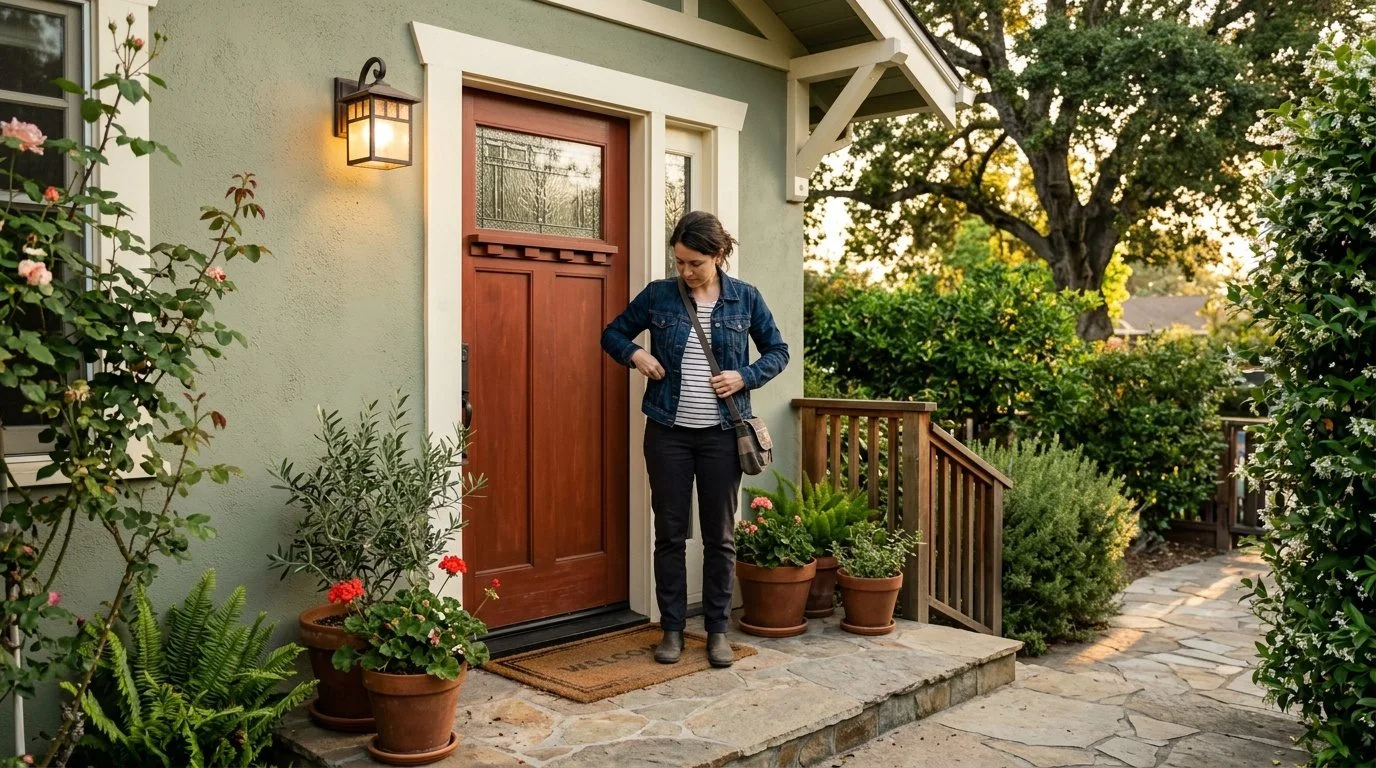
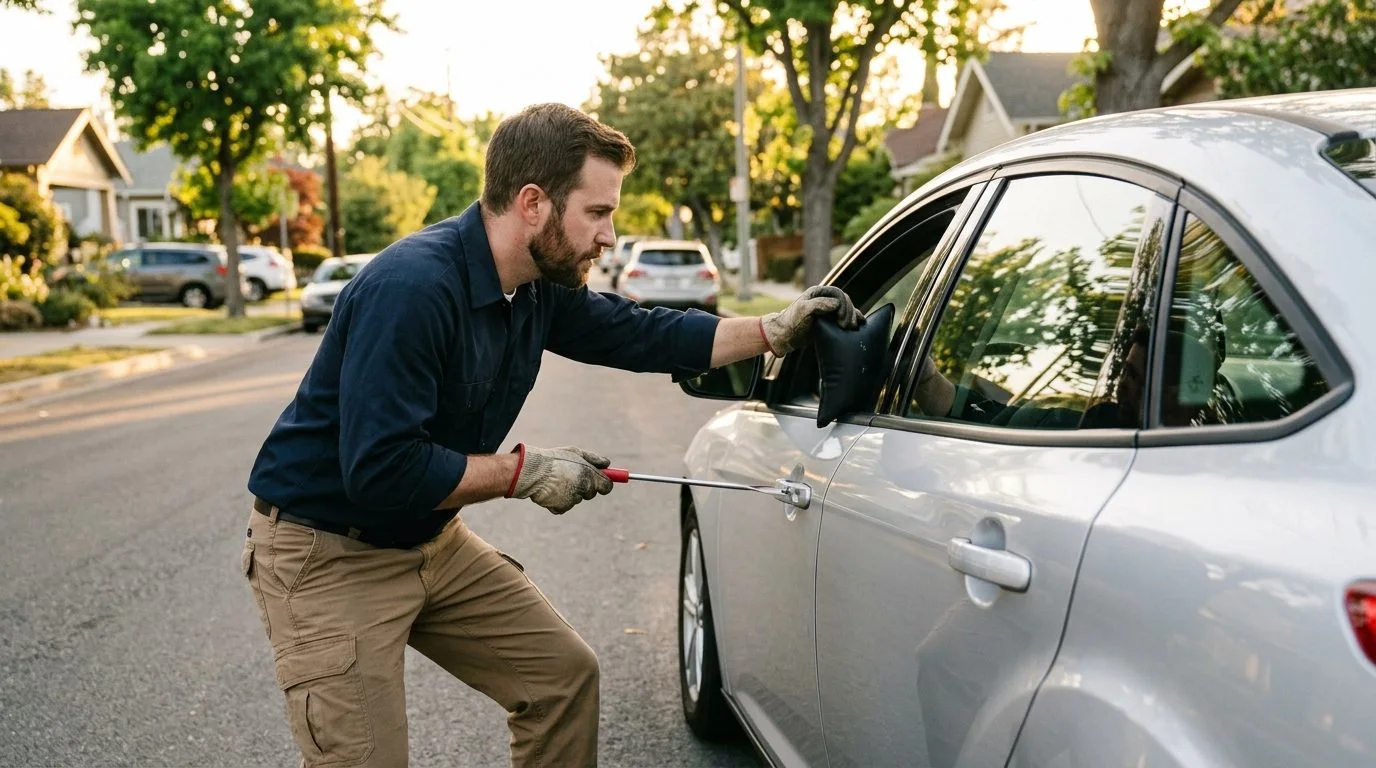
A lockout call is when a locksmith helps you regain entry after you've been shut out of your home, business, or vehicle. The first step is almost always identity and authorization: a reputable locksmith will ask you to confirm you have the right to enter, for example by showing ID and proof of address or vehicle ownership once you're inside. This protects you and your property, so expect the question rather than being surprised by it.
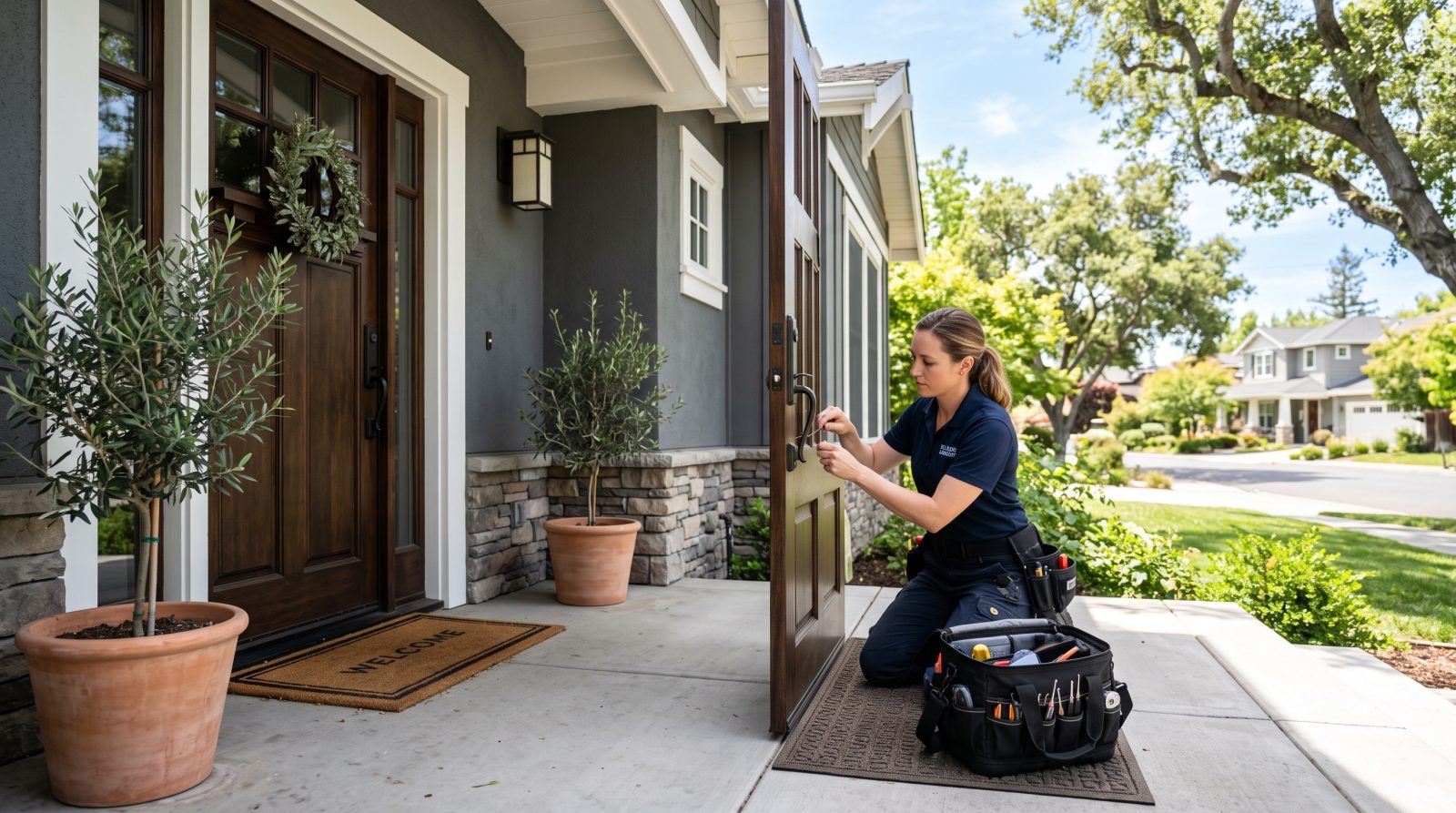
From there, the locksmith assesses the lock and door and chooses the least invasive method that works. For many standard locks that means non-destructive entry using specialized tools, so the existing lock can keep working afterward. In some cases, badly damaged hardware or high-security locks may need to be repaired or replaced to restore secure access, and a trustworthy locksmith will explain that before doing it. For vehicles, the approach depends on the make, model, and lock type. Throughout, a good locksmith focuses on getting you in safely without unnecessary damage and tells you what the work involves up front.
Car keys, fobs, and smart locks explained
Modern car keys are more than cut metal. Most vehicles built in the last couple of decades use a transponder key, a chip in the key head that communicates with the car so the engine will start only when a recognized key is present. Replacing one usually involves both cutting the physical key to match the lock and programming the chip to the vehicle. Many newer cars use remote fobs or proximity (push-to-start) keys, which also require programming. Because procedures and equipment vary widely by make, model, and year, it helps to have your vehicle details ready when you request a quote.
Smart locks add electronic control to a door, typically through a keypad code, a phone app over Bluetooth or Wi-Fi, or both. Many residential smart locks are built around standard deadbolt dimensions, so they can replace or work alongside existing hardware on a properly prepared door. Common standards and ecosystems include Z-Wave and Zigbee for smart-home hubs, plus Wi-Fi and Bluetooth for direct app control; some models support platforms like Apple Home, Google Home, or Amazon Alexa. A locksmith can help you pick a lock that fits your door, install it correctly, and set up codes and access so the convenience doesn't come at the cost of security.
How to choose a local locksmith
Choosing a locksmith comes down to clear communication and fair, transparent work. Before anyone touches your locks, you should understand what's being done and roughly what it will cost. The points below help you compare options and avoid surprises.
- Ask for an estimate before work begins, and make sure costs are explained as estimates that can change once the locksmith sees the actual lock, door, or vehicle.
- Describe the job clearly: the type of lock or vehicle, what went wrong, and what you want to accomplish, so the quote reflects your real situation.
- Expect proof-of-ownership questions on lockouts and rekeys; this is a sign the locksmith takes security seriously.
- Confirm whether the service is mobile (the locksmith comes to you) and what areas they cover.
- Prefer non-destructive methods where possible, and ask the locksmith to explain before repairing or replacing any hardware.
- Get the scope in plain language up front, including what's included, so the final work matches what you agreed to.
Typical locksmith cost ranges
Locksmith pricing depends on the service, the type and condition of the lock or vehicle, your location, and the time and parts the job requires. The notes below describe typical industry ranges meant to set expectations, not quotes. Your actual price can be higher or lower, and the only reliable number is the estimate a locksmith gives you for your specific job. For an exact figure, request a free quote and share the details of what you need.
As general guidance, rekeying an existing standard lock is often one of the more affordable services, while replacing a lock adds the cost of the new hardware. Lockout entry, car key cutting and programming, and smart-lock installation vary more widely because they depend heavily on the lock or vehicle involved. Higher-security hardware, complex vehicle keys, and after-hours work usually fall at the upper end of any range. Always confirm the estimate before work starts so there are no surprises.